 Pestelo
Squirrels in the Loft: How to Get Them Out Legally (UK)
Scratching in the loft at dawn? How to tell if it's a squirrel, why a trapped grey squirrel can't be released and how to proof the roof for good.
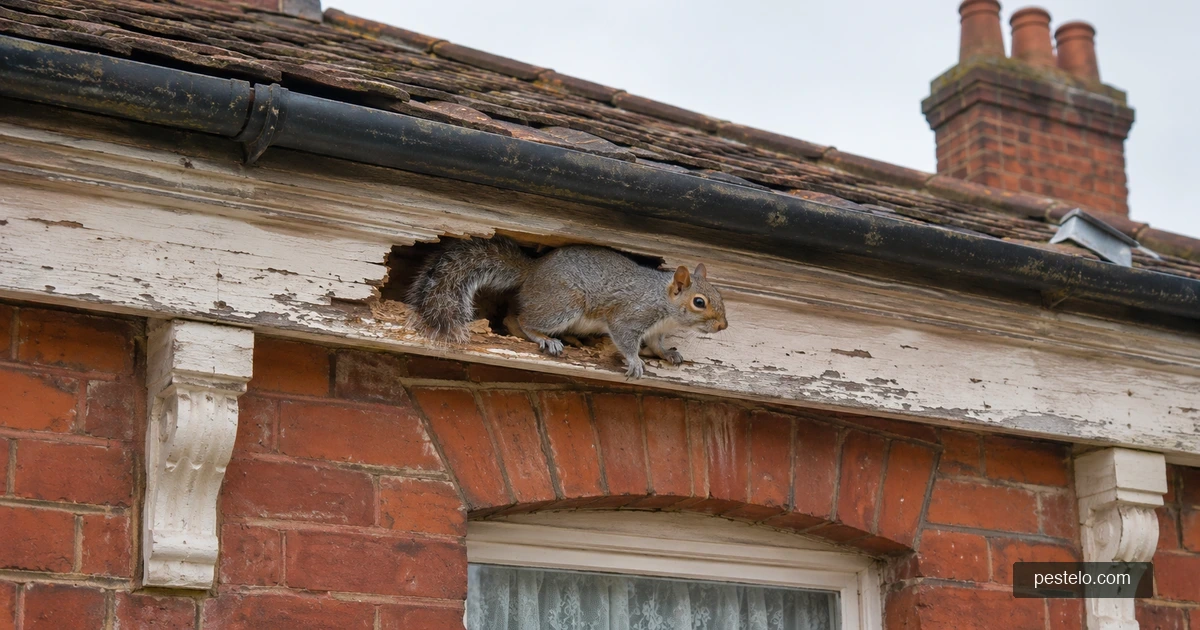
In short: Loud scratching and thumping in the loft early in the morning and late afternoon is often a grey squirrel. Squirrels chew wiring, timber and insulation, so they need to go — but the law limits how. A grey squirrel is an invasive species: if you catch one alive, it is an offence to release it, so a trapped animal must be humanely killed by someone competent. Red squirrels are fully protected. For most householders the answer is to make sure the squirrel is out, then proof the roof — or call a professional.
Contents · 7 sections
Is it a squirrel?
Who is in the loft?
| Sign | Grey squirrel | Rats or mice | Birds |
|---|---|---|---|
| When you hear it | Early morning and late afternoon/dusk | Mostly at night | Dawn, during nesting season |
| Sound | Loud scampering, thumping, rolling | Lighter scratching, gnawing, scurrying | Scratching, fluttering, chirping |
| Droppings | Larger, rounded, often scattered | Mouse 3–6 mm; rat 10–14 mm | White-streaked, under the nest |
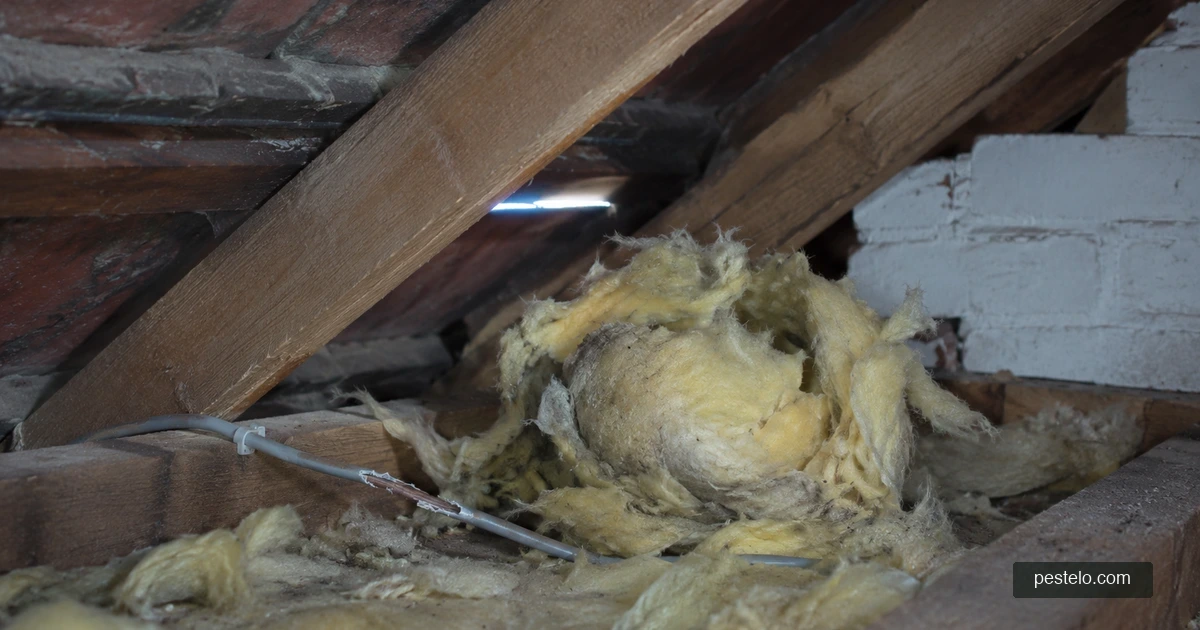
| Nest | Large ball of shredded insulation, leaves, paper | Small nests of shredded material | Twigs and grass at the eaves |
| Entry | Gaps at eaves, soffits, fascias, ridge – often chewed | Small gaps from about 6 mm (1/4 in) | Gaps under tiles and soffits |
If you find droppings but aren’t sure, our guide to identifying mouse and rat droppings shows the differences; for rats, see rats in the loft. Note that bats and nesting birds are protected too — if you find them, leave them undisturbed and get advice before doing any work.
What the law says
Squirrels and the law (England and Wales)
- 1 Grey squirrel: species of special concern
Listed under the Invasive Alien Species (Enforcement and Permitting) Order 2019. It is illegal to keep, transport (except for eradication), breed, sell or release one, or let it escape
- 2 No release of trapped greys
Releasing a grey squirrel was already an offence without a licence under the Wildlife and Countryside Act 1981; since 2019 Natural England no longer issues release licences
- 3 Humane dispatch only
A trapped grey must be killed humanely by a competent person; causing unnecessary suffering is an offence
- 4 Red squirrel: fully protected
Schedule 5 of the Wildlife and Countryside Act 1981 – no taking, killing, injuring or disturbing it in its shelter
- 5 Where reds live
In areas with red squirrels only live traps may be used, so any red caught can be released unharmed
Scotland and Northern Ireland have their own rules; in Scotland the 2019 Order does not apply, but releasing grey squirrels is also prohibited.
What this means in practice: a “humane” live-catch trap is not a way to move a grey squirrel to the park. Once caught, it may not be released and must be dispatched. If you aren’t prepared or able to do that lawfully, don’t set a live trap — use exclusion or call a professional.
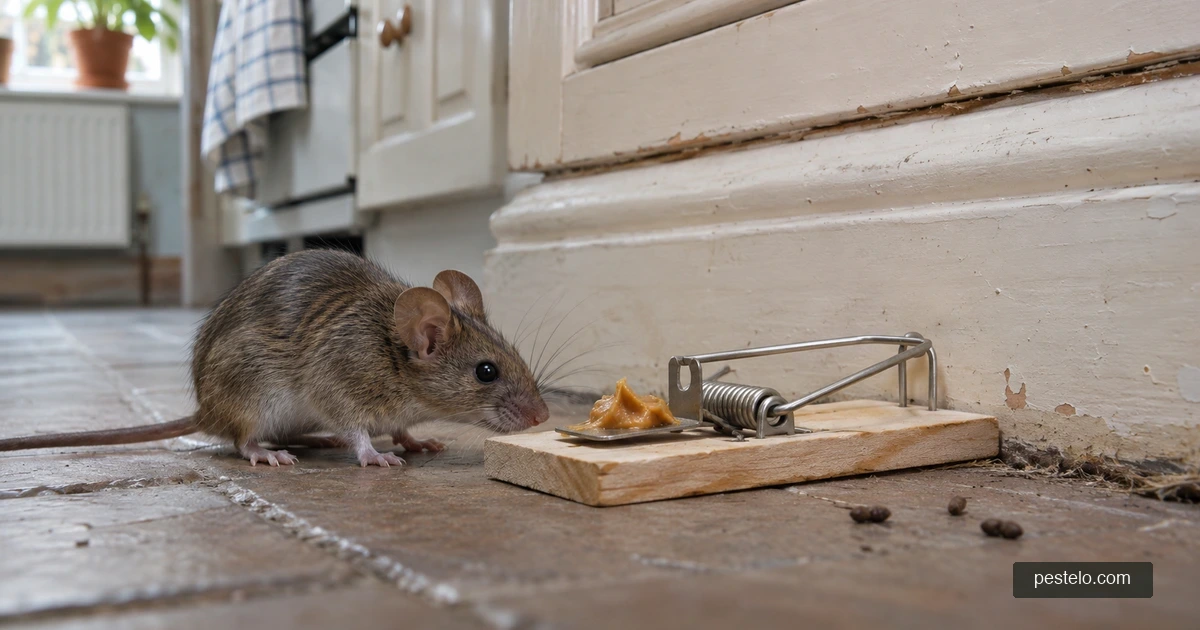
Rat and mouse poisons may only be used against the species named on the label, and amateur products only in bait boxes. Using them to target squirrels is unlawful and endangers pets and wildlife.
Why squirrels in the loft are a problem
- Electrical cables chewed bare are a fire risk.
- Timber, fascias and soffits get gnawed, and holes let in rain.
- Insulation is torn up for nests, reducing its effect.
- Water tanks and pipes in the loft can be damaged; squirrels sometimes drown in uncovered tanks.
- Noise at dawn, and smells from droppings and urine.
Squirrels have two breeding seasons, roughly late winter to spring and early to late summer. A female may have young in the loft — sealing her out then would leave them to die, which is both cruel and an animal-welfare offence.
Getting the squirrel out
Step by step
- 1 Find the entry hole
From outside, watch the roof line at dawn; look for chewed gaps at eaves, soffits, ridge tiles or where the roof meets a wall
- 2 Check for young
Look in the loft for a nest; if there may be young (late winter–spring or summer), wait until they are old enough to leave
- 3 Make sure the squirrel is out
Squirrels usually leave in the morning to feed. Loosely block the hole with newspaper; if it stays undisturbed for 2–3 days, the loft is empty
- 4 Seal the hole
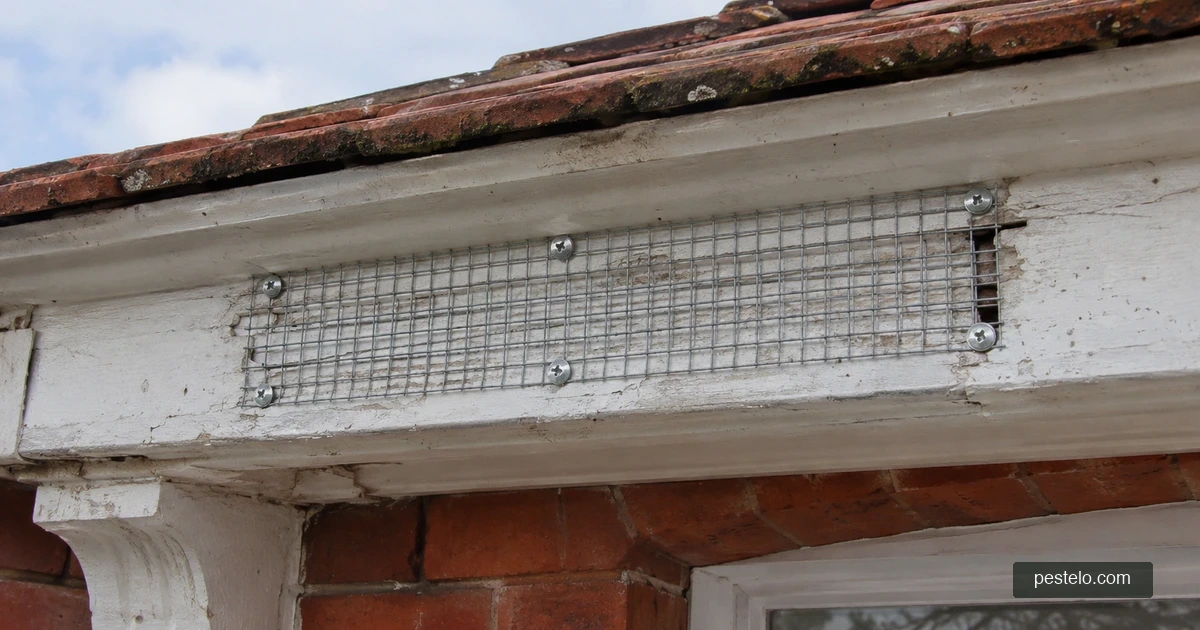
Close it permanently with galvanised wire mesh and metal flashing or new timber – squirrels chew through plastic, foam and wood
- 5 Cut back access
Trim branches within about 2–3 m (6–10 ft) of the roof; remove bird feeders close to the house
Never seal a hole while a squirrel or its young might be inside.
Professionals sometimes fit a one-way exclusion door over the main entry hole: the squirrel can leave but not return. It only works if every other gap is sealed first, and it is unsuitable while dependent young are inside.
Proofing the roof
- Repair rotten fascias and soffits — they are the easiest way in.
- Fit wire mesh behind roof vents and over gaps at the eaves (keep ventilation open — mesh, not sealant).
- Replace or re-bed loose ridge and verge tiles.
- Check where the roof meets a neighbouring house: in terraces, squirrels often move along the loft line from house to house — talk to your neighbours.
- Fit a cover on loft water tanks.
When to call a professional
For most householders, a professional is the sensible route: dispatching a trapped grey squirrel requires competence, and working at roof height is dangerous. Call a BPCA-registered pest controller or the pest control service of your council if:
- you can’t find or reach the entry hole
- there may be young in the loft
- the squirrel keeps coming back
- you would need to trap the animal
Ask how they deal with captured squirrels and whether they proof the roof afterwards — removal without proofing rarely lasts.
Frequently asked questions
Can I catch a squirrel in my loft and release it somewhere else?
Not a grey squirrel. Grey squirrels are listed as an invasive species of special concern, and releasing one is an offence. A grey squirrel caught in a live trap must be humanely dispatched by a competent person. Red squirrels are fully protected and must not be trapped or disturbed.
How do I know if I have a squirrel in the loft?
Loud scampering, thumping or rolling noises in the early morning and late afternoon are typical of squirrels, whereas rats and mice are mostly heard at night. Look for a large nest of shredded insulation, chewed timber or cables and a chewed entry hole at the eaves or soffits.
What time of year should I remove squirrels from the loft?
Avoid the breeding seasons – roughly late winter to spring and early to late summer – when there may be young in the loft. If young might be present, wait until they leave or call a professional, because sealing them in would cause suffering and is an offence.
How do I stop squirrels getting into my roof?
Seal every gap with galvanised wire mesh, metal flashing or new timber once the loft is empty, repair rotten fascias and soffits, re-bed loose tiles and cut back branches within a few metres of the roof.
Are squirrels in the loft dangerous?
They can be. Squirrels chew electrical cables, which is a fire risk, damage timber and insulation, and can get into water tanks. They should be removed and the roof proofed as soon as possible.
More guides
© 2026 pestelo.com – All text, graphics and structured content on this page are protected by copyright (Copyright, Designs and Patents Act 1988). Short extracts may be quoted with a clear credit and an active link to the original page. Commercial use, republication or adaptation without written permission is not allowed.