 Pestelo
Beetles in the house: identify them and clear them out
Beetle problems indoors come down to one question: what are they living on? Carpet beetle larvae eat wool and fluff under furniture, flour beetles and weevils live in dry food, and harlequin ladybirds only come in to hibernate. Each needs a different fix — cleaning, binning food or simply sealing gaps.
All guides on beetles in the house
Related topics
Beetles in the house at a glance
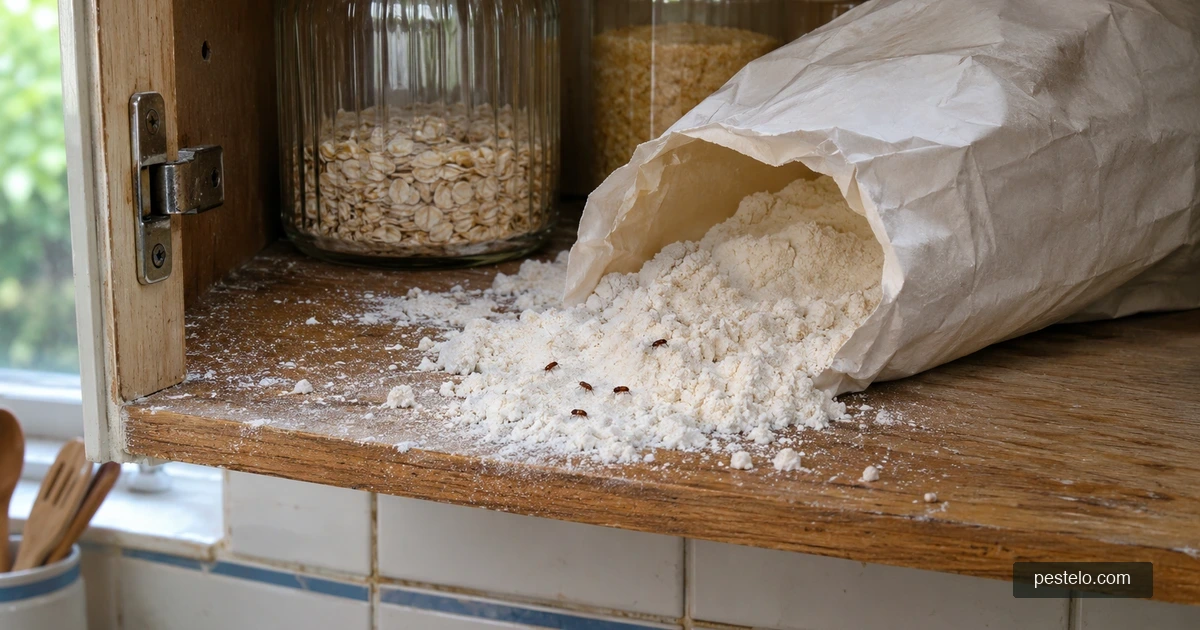
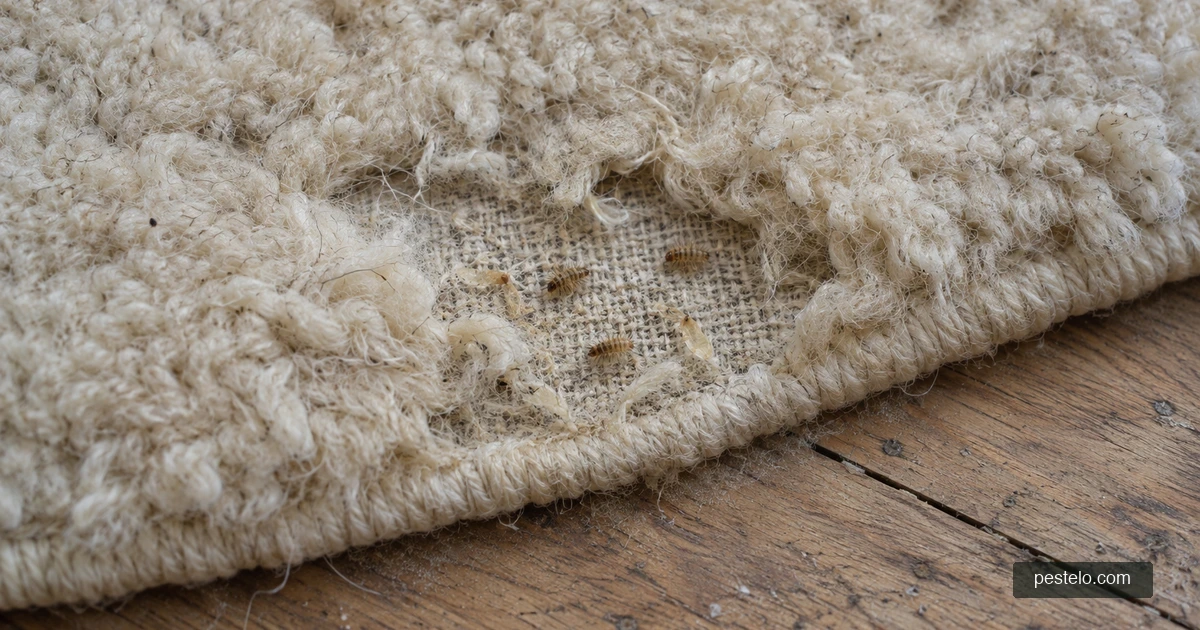
Bare patches in wool rugs or clothes are the work of carpet beetle larvae; small beetles or weevils in flour, rice or cereal are stored-product beetles in the pantry.
Groups of orange, red or black ladybirds in window corners and curtain folds in winter are usually harlequin ladybirds looking for a place to hibernate — remove them gently and seal the gaps before next autumn.
Frequently asked questions
What is making holes in my wool carpet?
In UK homes the usual culprit is the larva of the varied carpet beetle, a small hairy grub often called a woolly bear. The adults are tiny round beetles often found on windowsills in spring and summer. Thorough vacuuming under furniture and along edges is the first and most important step.
Are weevils or flour beetles in food dangerous?
Stored-product insects in flour, rice, pasta or cereal are unpleasant but not generally regarded as a health danger. Throw away infested food, check every open packet in the cupboard, clean the shelves and store dry goods in airtight containers.
Are harlequin ladybirds harmful?
Not to the house or to health in general. They can give a slight nip, and when disturbed they release a yellow, bad-smelling fluid that can stain paint and fabrics. A few people are allergic to them. They do no structural damage and do not breed indoors.
Should I spray ladybirds in the house?
No. Council pest services point out that insecticide sprays are largely ineffective once ladybirds are hibernating indoors. Remove them gently with a soft brush, a jar or a vacuum cleaner and wash any stains with detergent.