 Pestelo
Best Mouse Traps (UK): Which Type Works and Where
Snap, enclosed, electronic or live-catch: which mouse trap to choose for your home, how many you need, where to place them and the UK rules on glue traps.
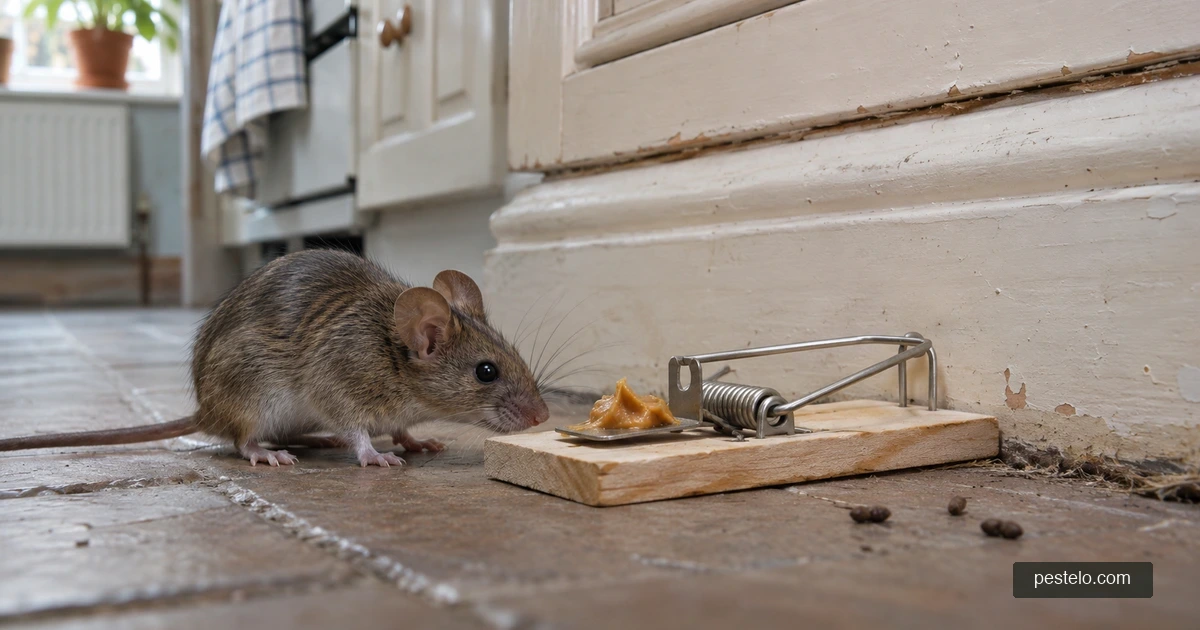
In short: For most homes the best mouse trap is a simple, reusable snap trap — cheap, fast and reliable — set in several places along the walls where you’ve seen droppings. Where children or pets could reach a trap, use a snap trap inside an enclosed station. Electronic traps are the cleanest option indoors. Live-catch traps work but must be checked at least daily. Glue traps are banned for the public in England and Wales.
Contents · 8 sections
Our picks at a glance
We chose these trap types by how reliably they work, how humane they are, safety around children and pets, and price. We have not run our own laboratory tests; the choice is based on the criteria below and on guidance from councils and pest-control bodies.
Which trap for which situation
- ✓ Best overall: reusable snap trap
Fast kill, reliable, a few pounds each – buy several
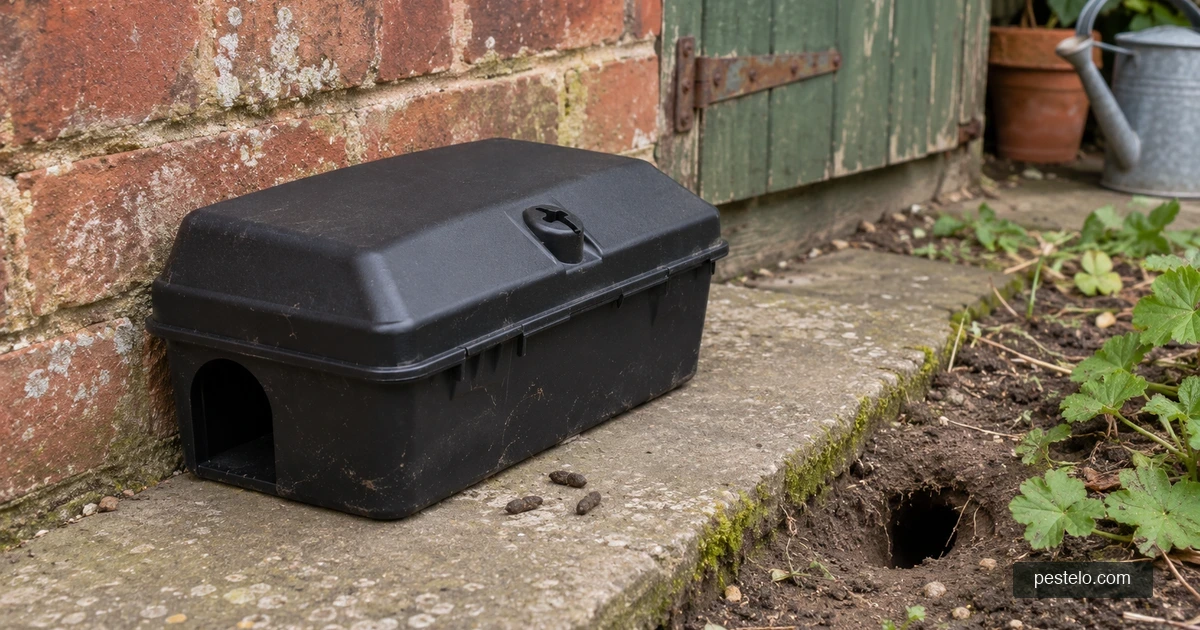
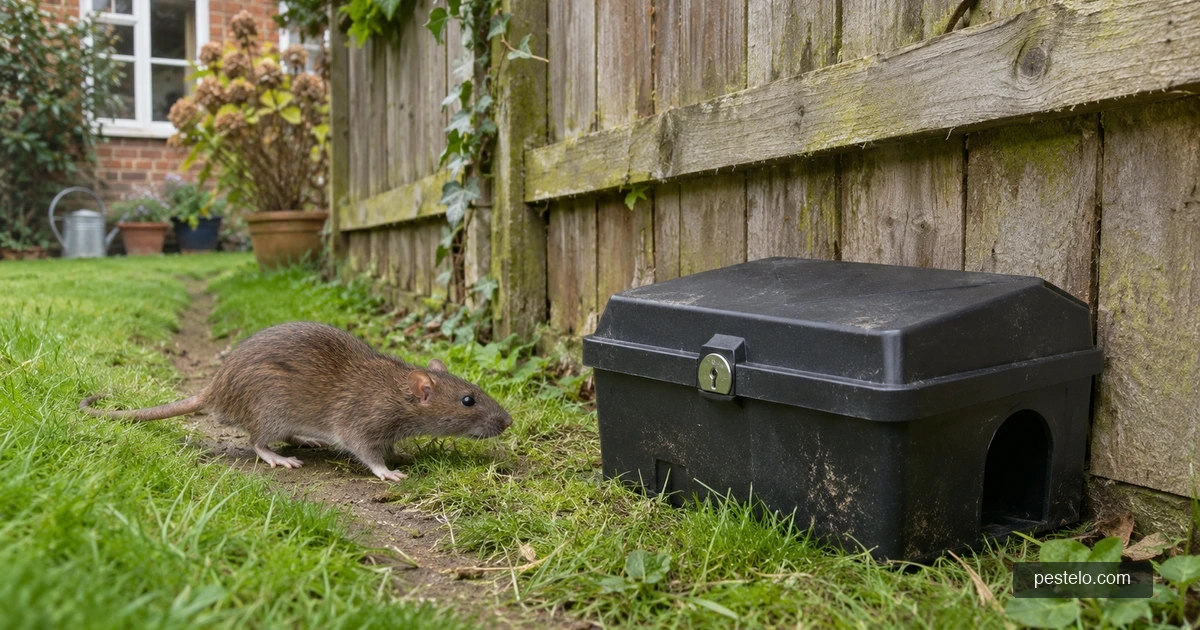
- ✓ Best with children or pets: enclosed snap trap
Same mechanism inside a box; fingers and paws can't reach the bar
- ✓ Cleanest indoors: electronic trap
Kills by a high-voltage shock; you empty it without touching the mouse
- ✓ Best non-lethal: multi-catch or single live trap
Only if you can check it at least once a day and release the mice properly
Mouse trap types compared
Mouse traps compared
| Type | How it works | Best for | Typical price |
|---|---|---|---|
| Reusable snap trap | Spring bar kills instantly | Most homes; along walls and behind appliances | £2–4 each, often in packs |
| Enclosed snap trap station | Snap trap inside a covered box | Homes with children, dogs, cats | £5–15 |
| Electronic mouse trap | Battery-powered high-voltage shock | Kitchens and living areas; hands-off disposal | £20–40 |
| Multi-catch live trap | Mice enter, can't get out; holds several | Non-lethal approach, checked daily | £10–25 |
| Single live-catch trap | Door closes behind the mouse | Occasional single mouse, checked daily | £5–10 each |
Ultrasonic repellers are not on this list: there is little evidence that they drive mice out of a house for good.
How many traps and where
Placing mouse traps
- 1 Find the runs
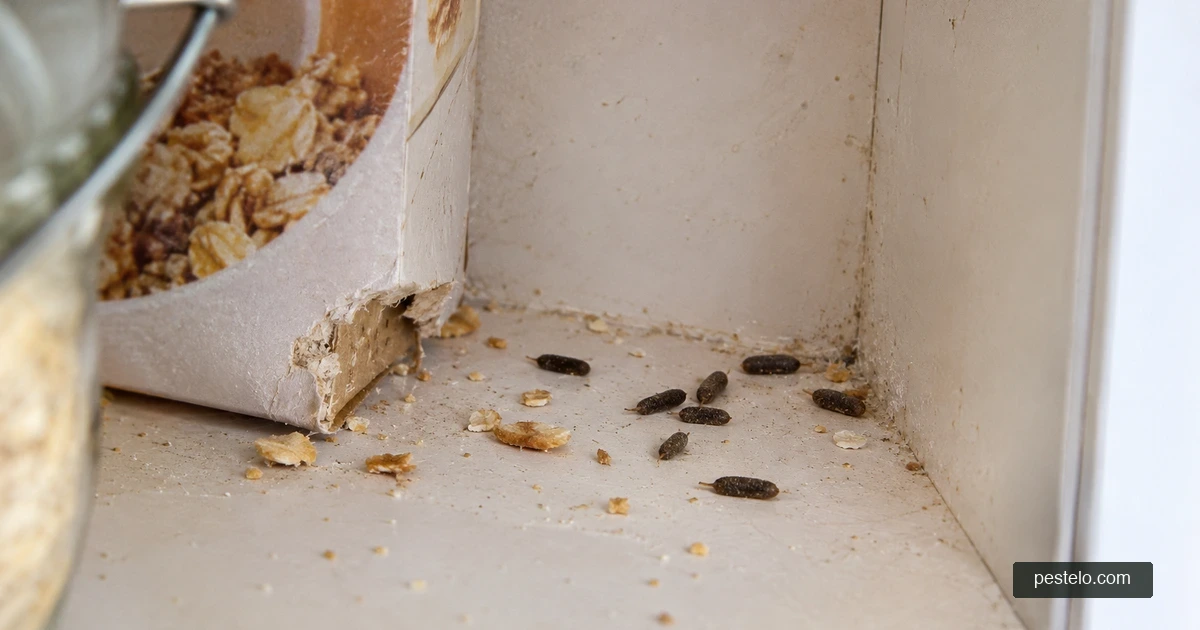
Fresh droppings, smear marks and gnawing show where mice travel – usually along walls, behind appliances and under units
- 2 Use plenty
Several traps per room where there is activity, about 1–2 m (3–6 ft) apart; one trap rarely does the job
- 3 Against the wall
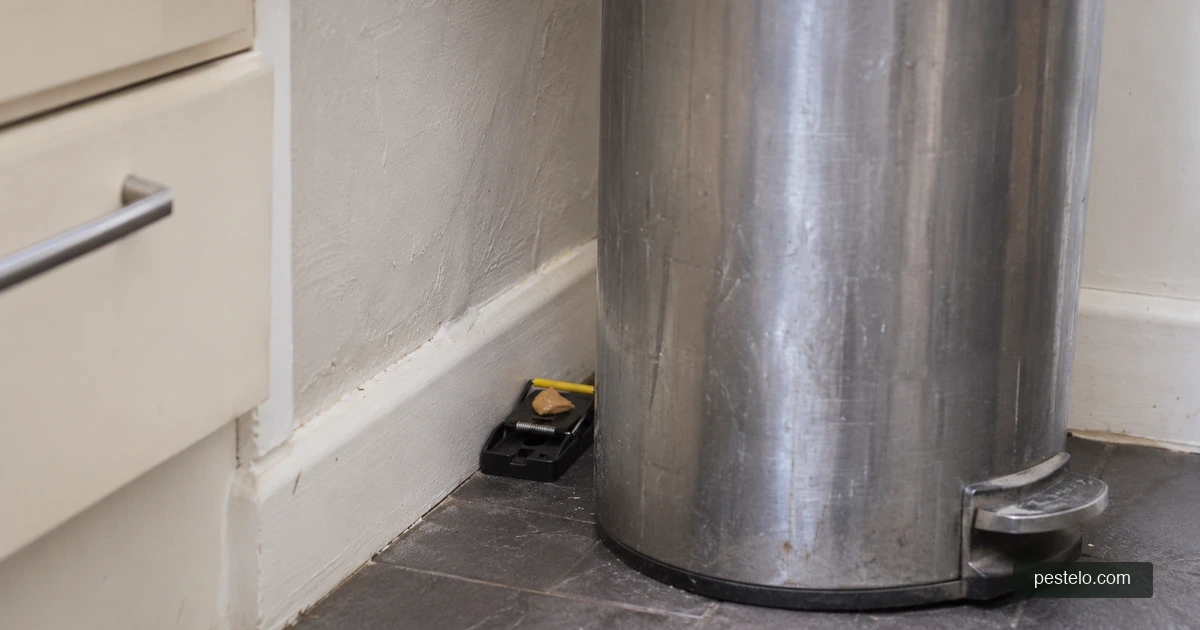
Set traps at right angles to the wall, with the bait end touching it, so a mouse running along the skirting meets it
- 4 Hidden spots
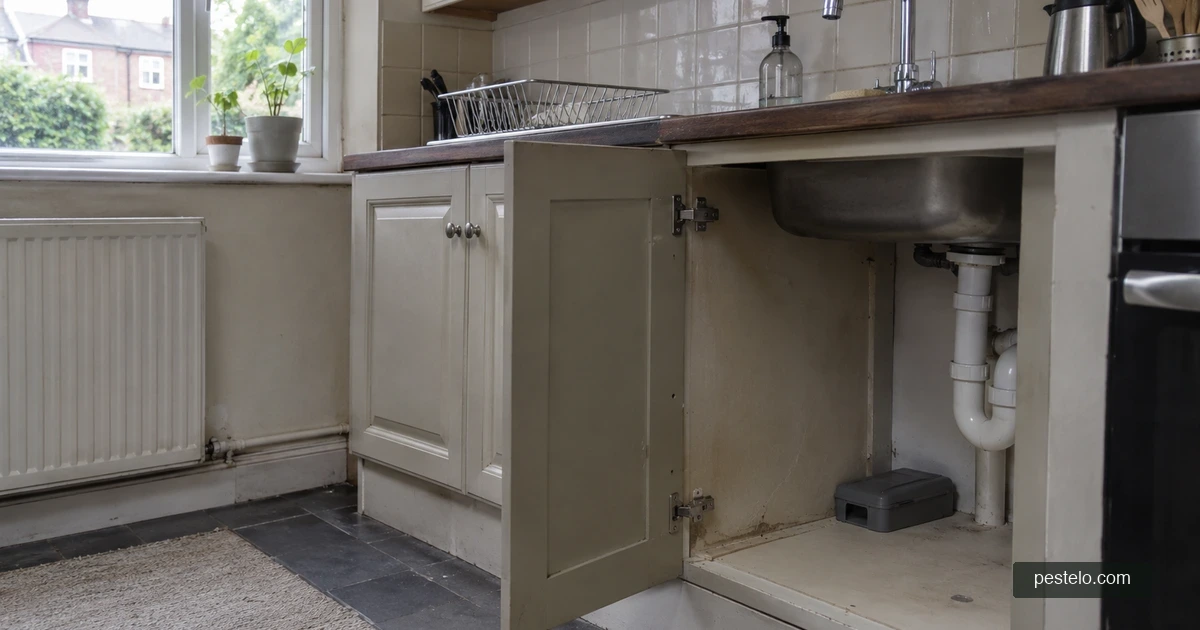
Behind the cooker and fridge, under the sink, in cupboards, under kitchen plinths, in the loft
- 5 Check daily
Remove caught mice promptly (wear gloves) and reset; move traps that catch nothing after 2–3 days
Mice are cautious of new objects. Setting the traps unset with bait for a night or two before arming them often improves results.
Best bait for mouse traps
A small amount of peanut butter, chocolate spread or hazelnut paste works well because mice can’t snatch it and run. Use a pea-sized blob — too much lets them feed without triggering the trap. Cheese is less effective than its reputation. If you suspect a nut allergy in the household, use chocolate or oats with a little cooking oil instead.
Glue traps: the UK rules
Under the Glue Traps (Offences) Act 2022, members of the public in England may no longer use glue traps to catch rodents (fully in force since 31 July 2024); only licensed professionals may, under strict conditions. Wales has banned their use under the Agriculture (Wales) Act 2023, and Scotland is introducing its own ban. Glue traps cause severe suffering and often catch birds and other animals by mistake.
Sticky traps sold for insects (fly papers, moth traps) are a different matter and remain legal.
Using live-catch traps responsibly
Live traps are only humane if they are managed properly. Under the Animal Welfare Act 2006 you can be responsible for an animal’s unnecessary suffering, and a mouse left in a trap for a day or more can die of stress, cold or dehydration.
- Check them at least once a day, ideally morning and evening.
- Put a little bedding and food inside.
- Release the mouse outdoors, well away from houses, in cover such as a hedge — otherwise it will come straight back.
- Wear gloves and clean the trap between catches.
After the trapping
Trapping without proofing means more mice next month. When catches stop for a week:
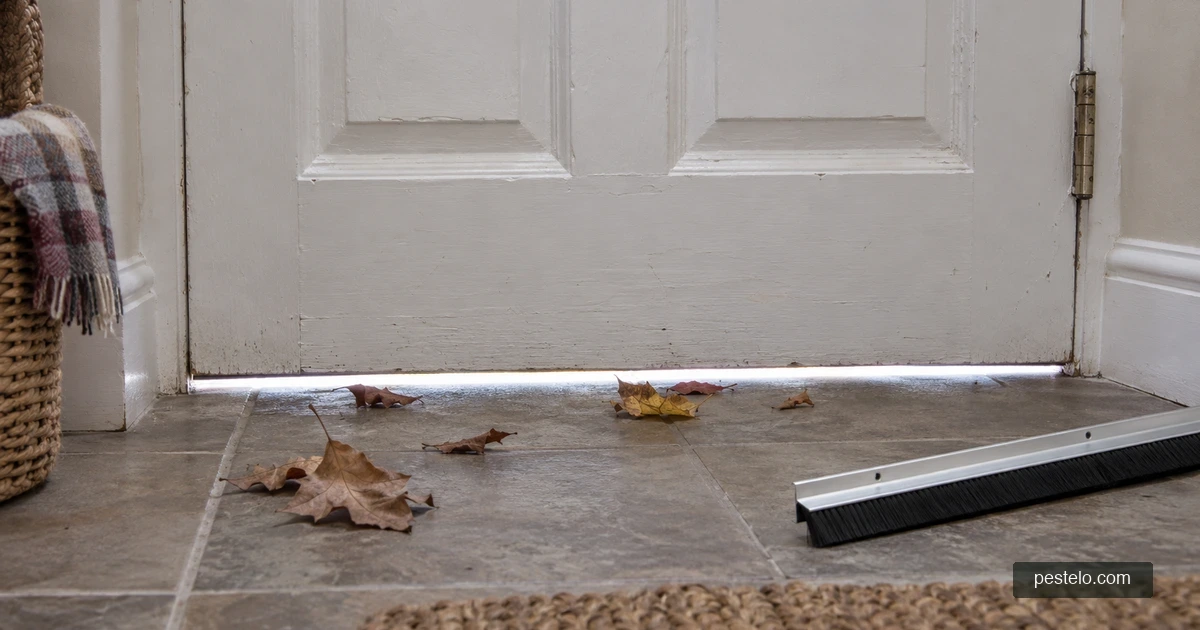
- seal entry points — mice get through gaps of about 6 mm (1/4 in): use stainless steel wool with sealant around pipes, and brush strips on doors
- clean up droppings safely — see how to identify and clean up mouse droppings
- store food in sealed containers and keep bins closed
If you are still catching mice after two to three weeks, or you have rats rather than mice, see the best rat traps or call your council or a BPCA-registered pest controller.
Frequently asked questions
What is the best mouse trap in the UK?
For most homes, a reusable snap trap is the best choice: it kills quickly, is reliable and costs only a few pounds. Use several along the walls where you have seen droppings. In homes with children or pets, use snap traps inside an enclosed station.
Are glue traps legal in the UK?
Not for the public in England and Wales. The Glue Traps (Offences) Act 2022 bans their use by members of the public in England since 2024, with only licensed professionals allowed to use them under strict conditions. Wales has banned their use under the Agriculture (Wales) Act 2023, and Scotland is introducing its own ban.
How many mouse traps should I use?
More than you think. Set several traps in every room with signs of mice, about 1–2 metres apart along walls and behind appliances. One or two traps for a whole house rarely solves the problem.
What is the best bait for a mouse trap?
A pea-sized amount of peanut butter, chocolate spread or hazelnut paste works best, because mice can't grab it and run. Cheese is less effective than its reputation.
Are humane mouse traps really humane?
Only if you check them at least once a day and release the mouse well away from houses. A mouse left in a live trap for a long time can die of stress, cold or dehydration, which can amount to unnecessary suffering.
More guides
© 2026 pestelo.com – All text, graphics and structured content on this page are protected by copyright (Copyright, Designs and Patents Act 1988). Short extracts may be quoted with a clear credit and an active link to the original page. Commercial use, republication or adaptation without written permission is not allowed.