 Pestelo
Best Rat Traps (UK): Snap, Box and Electronic Traps Compared
Which rat trap works best in a UK home or garden: heavy-duty snap traps, lockable trap boxes or electronic traps – plus where to place them, bait and safety.
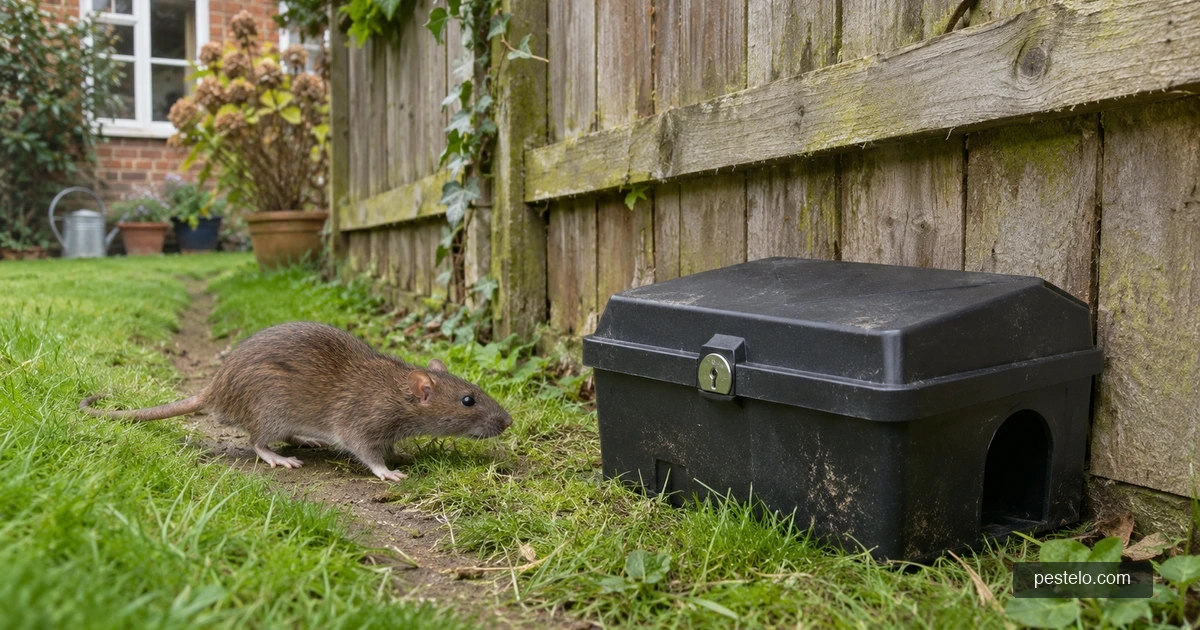
In short: For rats around a UK home the most effective choice is a heavy-duty snap trap inside a lockable trap box — it kills instantly and keeps children, pets and birds away from the bar. Electronic rat traps are a clean alternative indoors. Rats are wary of new objects, so leave traps baited but unset for a few days first. Live-catch traps are rarely a good idea for rats, and glue traps are banned for the public in England and Wales.
Contents · 8 sections
Our picks at a glance
We selected trap types by how reliably they kill, how humane and safe they are, and how practical they are for a householder. We have not tested products in a laboratory; the choice is based on these criteria and on guidance from councils and pest-control bodies.
Which rat trap for which situation
- ✓ Best overall: heavy-duty snap trap in a lockable box
Instant kill; the box protects children, pets and birds and makes rats feel safe
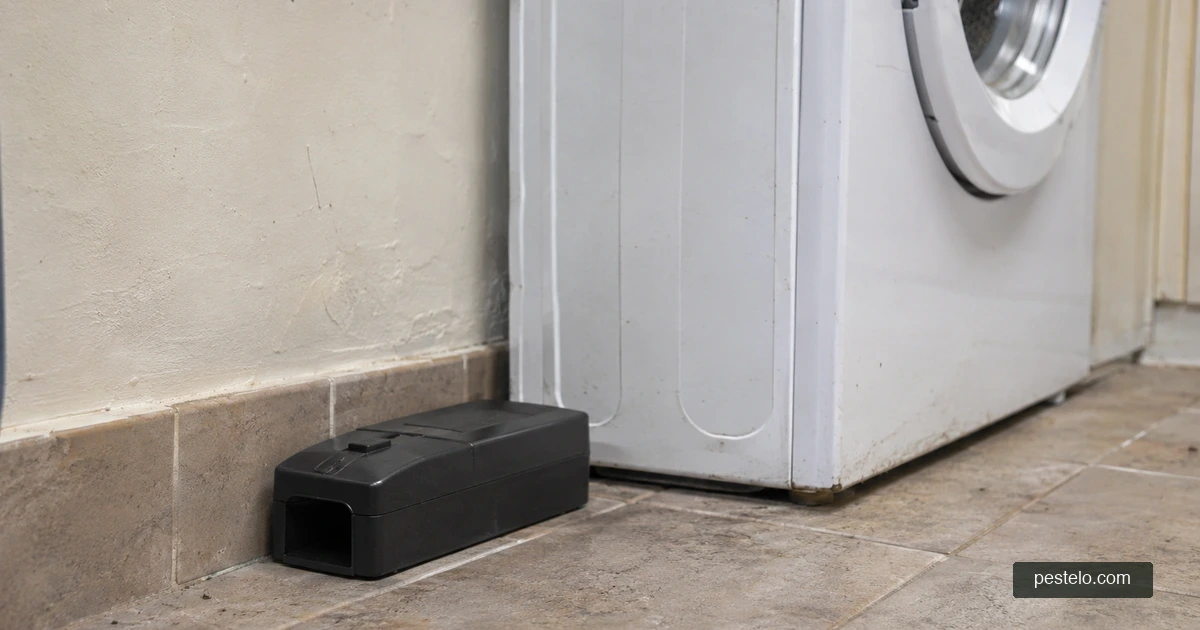
- ✓ Cleanest indoors: electronic rat trap
High-voltage kill, hands-off disposal, a light shows a catch
- ✓ Budget: heavy-duty snap trap on its own
Where no children, pets or birds can get near – e.g. a locked garage or under-floor void
- ✓ Not recommended: live traps and glue traps
Live traps cause stress and leave you with a live rat; glue traps are banned for the public in England and Wales
Rat trap types compared
Rat traps compared
| Type | How it works | Best for | Typical price |
|---|---|---|---|
| Heavy-duty rat snap trap | Strong spring bar, instant kill | Indoors and out where nothing else can reach | £4–10 each |
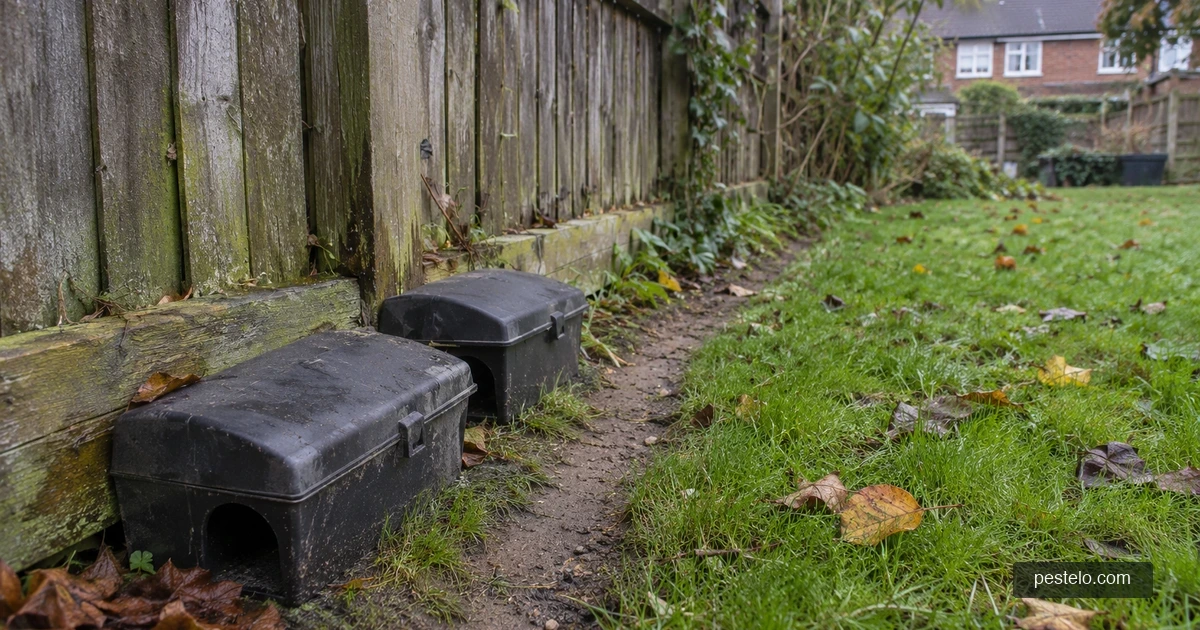
| Lockable rat trap box | Holds a snap trap inside a tamper-resistant box | Gardens, sheds, homes with children or pets | £10–25 (box) |
| Electronic rat trap | Battery-powered high-voltage shock | Indoors – kitchens, utility rooms, lofts | £30–60 |
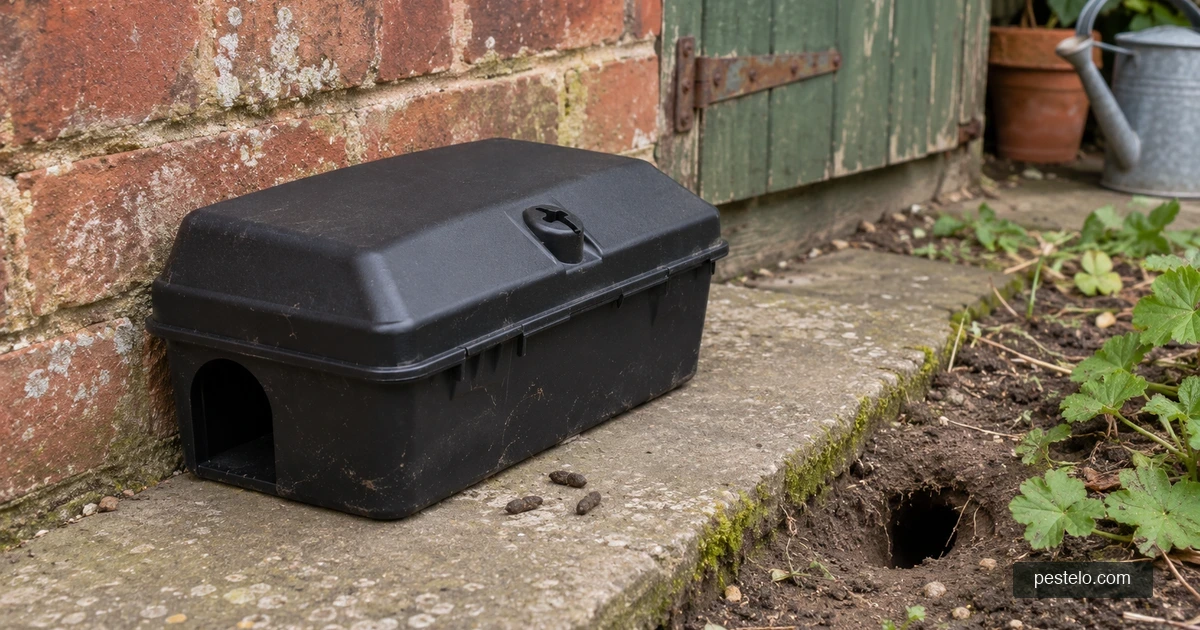
| Lockable bait station | Tamper-resistant box for a trap or authorised bait | If you later decide on bait – required by law for amateur bait | £10–25 |
Where and how to set rat traps
Setting rat traps step by step
- 1 Find the runs
Rats use the same routes: along walls, fences and the edge of decking, near drains, compost bins and bird feeders. Look for droppings, greasy smear marks and burrows
- 2 Wear gloves
Rats are wary of human smell; gloves also protect you
- 3 Pre-bait for 2–3 days
Put baited but unset traps on the run so the rats get used to them
- 4 Then set them
Place traps at right angles to the wall, trigger end against it; use two or three traps per run
- 5 Check every day
Remove dead rats with gloves, double-bag them and put them in the outside bin
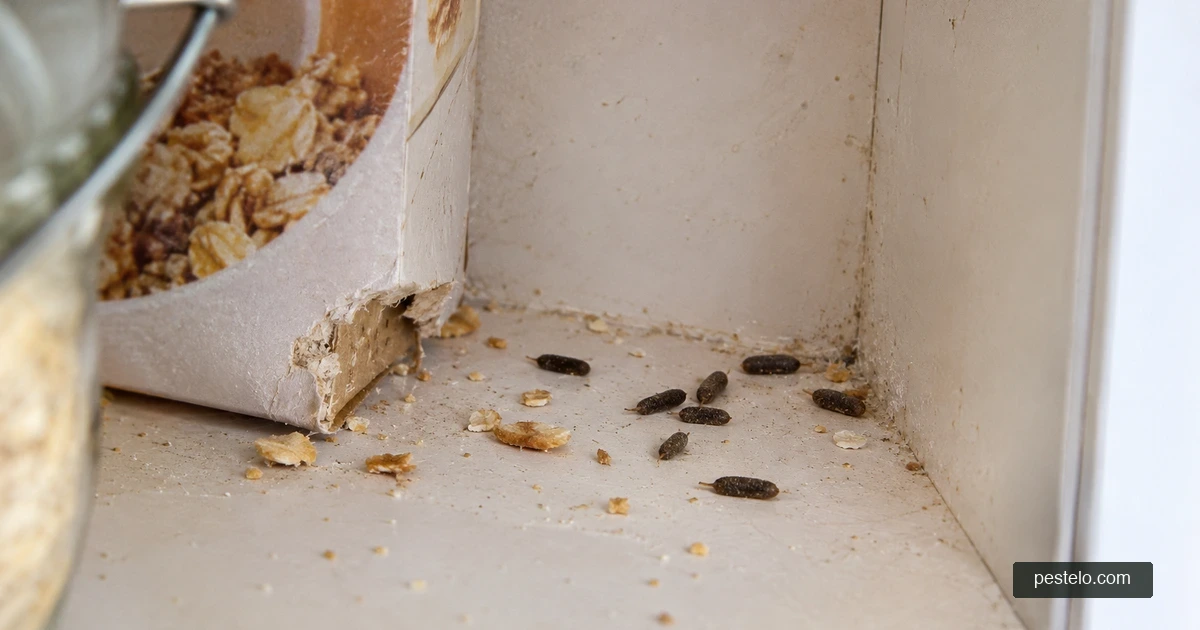
If you find rat droppings indoors, start with our guide to identifying and cleaning up droppings.
You can tell mouse from rat signs in our guide to identifying droppings and cleaning up safely.
Best bait for rats
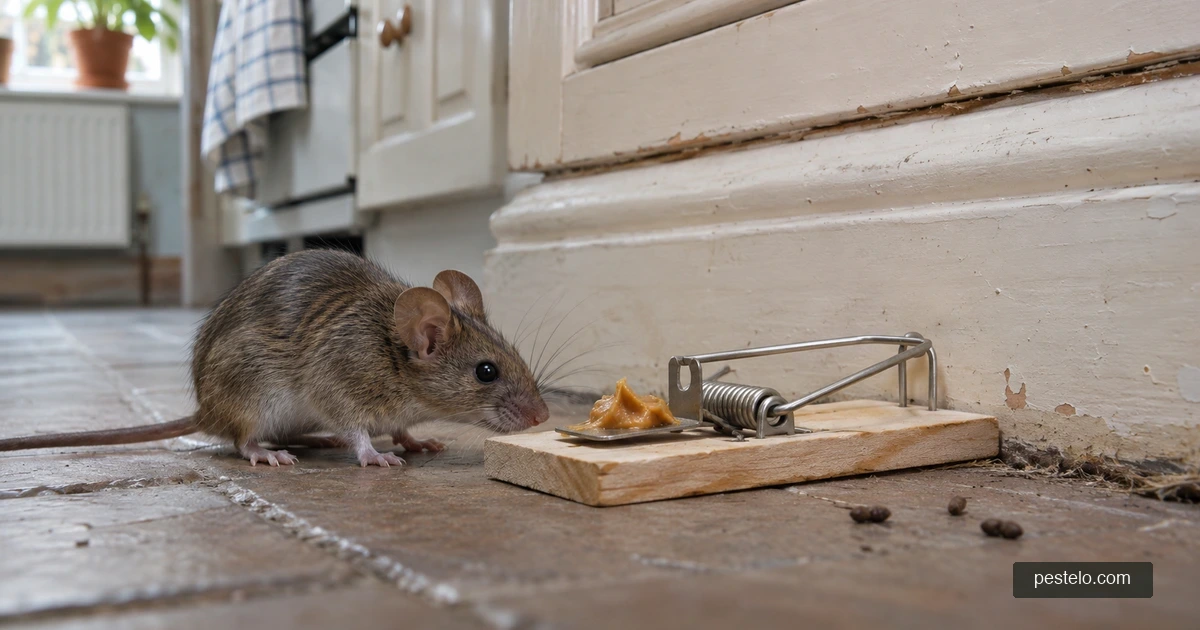
Rats eat almost anything, but peanut butter, chocolate spread, nuts, dried fruit, bacon or pet food pressed firmly into the trigger work well. Tie soft bait to the trigger with thread or use a trap with a bait cup, so the rat must work at it. Use food the rats are already eating — if they raid bird food, use seed or nuts.
Safety: children, pets and wildlife
A rat snap trap can break a child’s finger or injure a cat, dog or bird. Outdoors, and anywhere children or pets can reach, always put the trap inside a lockable box. Set and release traps with care, away from your face.
- Outdoors, hedgehogs, birds and other small animals can be caught by an open trap — use a box with an entrance only large enough for a rat.
- Remove what attracts rats: spilled bird food, open compost with food waste, bin bags left outside, pet food left out.
- Check drains: rats often enter houses through broken drains. If you see rats around a manhole or inside the house near pipes, a drain survey may be needed.
Traps or poison?
Rat poison is legal for householders in the UK only in authorised amateur products, used indoors or around buildings and always in a bait box. It works over several days, poisoned rats may die under the floor, and poisoned carcasses endanger pets and wildlife. Traps work immediately and you see the result. For one or a few rats, traps are usually the better choice — read the UK rules on rat poison before you decide otherwise.
When traps aren’t enough
Call a pest controller — your council’s pest control service or a BPCA-registered company — if you see rats in daylight, inside the living space, coming from drains, or if trapping hasn’t worked within two to three weeks. These are signs of a larger population or an entry point you can’t find. If you rent, report rats to your landlord in writing.
Frequently asked questions
What is the best rat trap in the UK?
For most homes, a heavy-duty snap trap placed inside a lockable trap box. It kills instantly, rats readily enter the box, and the box keeps children, pets and birds away from the trap. Electronic rat traps are a clean alternative indoors.
Why won't rats go near my trap?
Rats are wary of new objects. Leave baited but unset traps on their run for two or three days so they get used to them, handle traps with gloves, and place them along walls where you have seen droppings or smear marks.
What is the best bait for a rat trap?
Peanut butter, chocolate spread, nuts, dried fruit, bacon or pet food work well. Press soft bait firmly onto the trigger or tie it on, and use food the rats are already eating nearby.
Are rat traps safe with pets?
Only inside a lockable trap box. An open rat snap trap can seriously injure a cat, dog, bird or a child's fingers. Outdoors, always use a box with an entrance sized for rats.
Should I use traps or poison for rats?
For one or a few rats, traps are usually the better choice: they work immediately, you see the result, and they don't endanger pets and wildlife the way poison and poisoned carcasses can. Householders may use only authorised amateur poisons, in a bait box.
More guides
© 2026 pestelo.com – All text, graphics and structured content on this page are protected by copyright (Copyright, Designs and Patents Act 1988). Short extracts may be quoted with a clear credit and an active link to the original page. Commercial use, republication or adaptation without written permission is not allowed.