 Pestelo
Best Dehumidifier for Condensation in a Flat (UK)
Wet windows and black mould? How to choose a dehumidifier for a flat – compressor or desiccant, which size, where to put it – and what it can't fix.
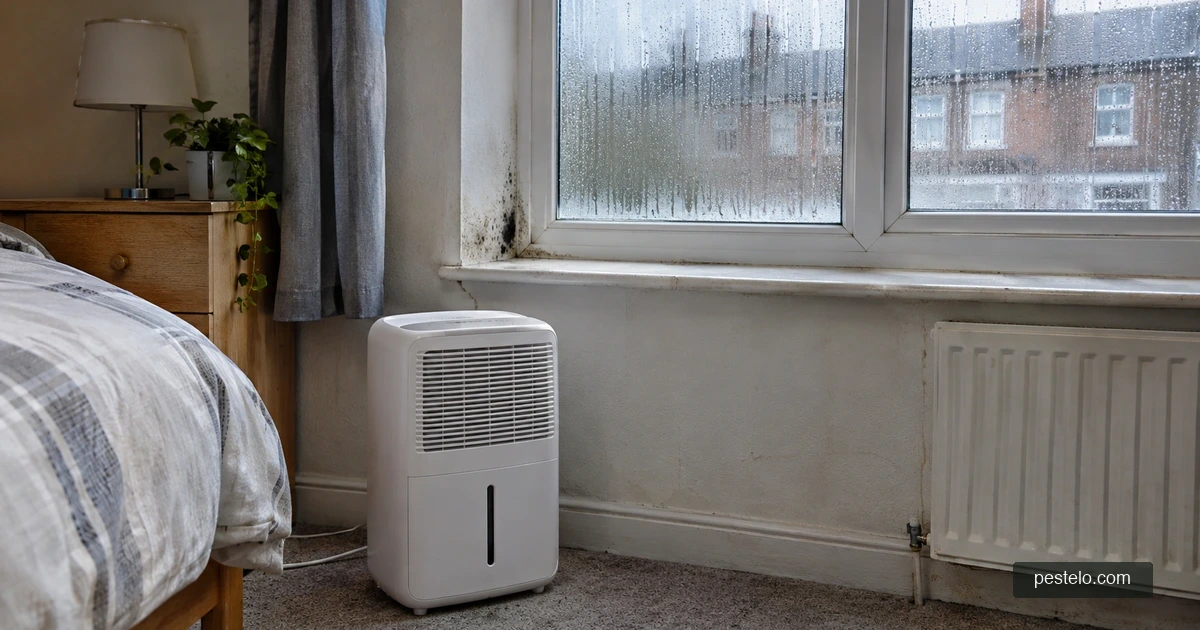
In short: For a heated flat at normal room temperature, a compressor dehumidifier of about 12–20 litres a day is usually the best choice — it removes the most water for the electricity it uses. For a cold room below about 15 °C (59 °F), such as an unheated bedroom, a desiccant model works better. Aim to keep humidity below 60 %, as the Centre for Sustainable Energy advises, and buy a cheap hygrometer to check. A dehumidifier treats condensation; it doesn’t fix leaks or rising damp.
Contents · 8 sections
Is it condensation?
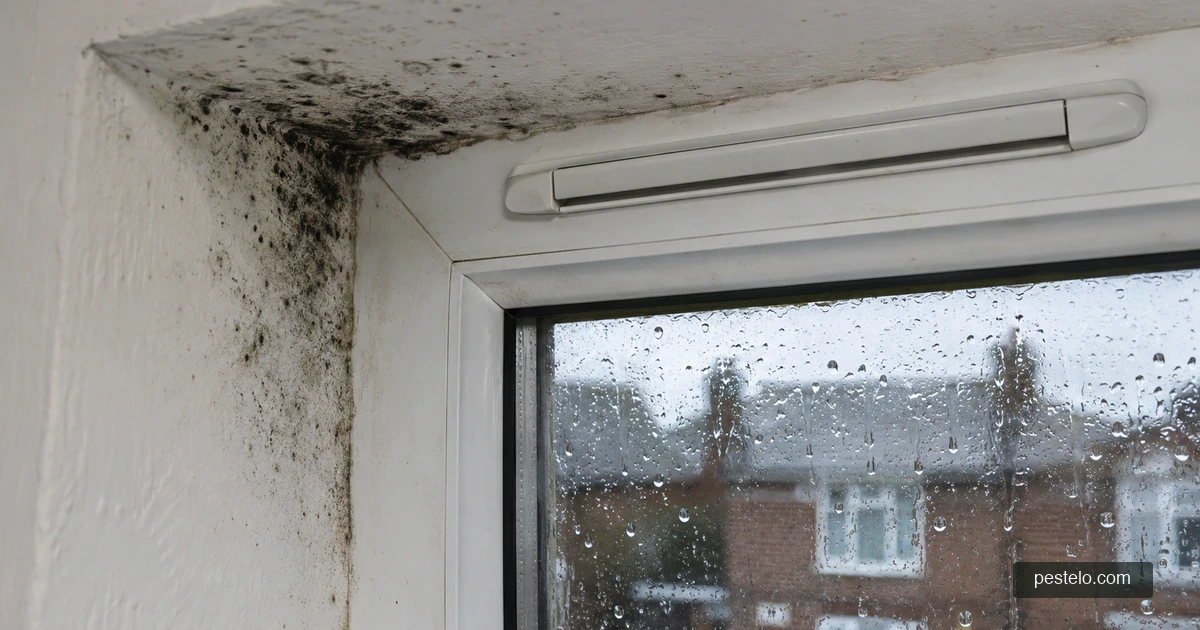
According to the Centre for Sustainable Energy, condensation is the most common cause of damp: warm, moist air from cooking, showers, drying washing and breathing meets a cold surface and turns into water. Typical signs:
- water running down the inside of windows in the morning
- black mould in corners, behind wardrobes, around window frames and on outside walls
- a musty smell, damp clothes in wardrobes
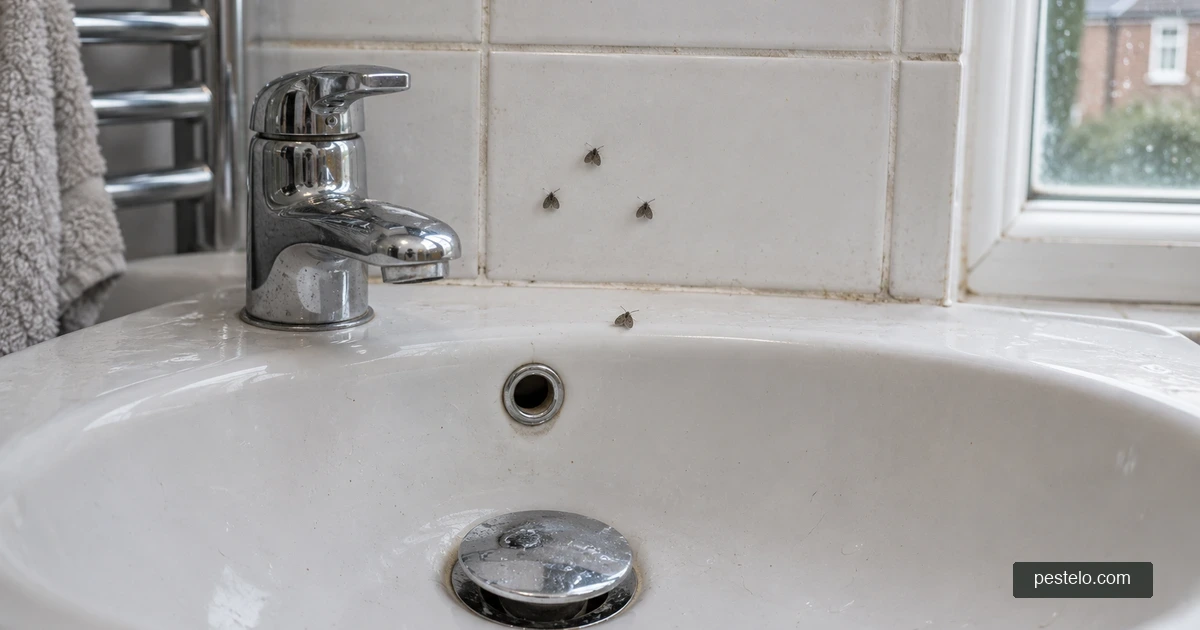
- woodlice or silverfish appearing in the same damp spots
- worse in winter and in rooms with little heating or ventilation
Damp that comes from outside looks different: a tide mark low on the wall (rising damp), a patch that grows after rain (penetrating damp) or water from a leak. These need a repair, not a dehumidifier.
Our picks at a glance
We chose these types by how effectively they remove moisture in a typical UK flat, running costs, noise and practicality. We have not lab-tested individual models; the picks follow these criteria and Centre for Sustainable Energy and government guidance on damp. Which humidity meter to pair it with is covered in our guide to the best hygrometer.
Which dehumidifier for which flat
- ✓ Best overall: compressor, 12–20 litres/day
For heated flats around 18–22 °C (64–72 °F); most efficient at normal room temperatures
- ✓ Best for cold rooms: desiccant
Works well below about 15 °C; lighter and quieter, but uses more electricity
- ✓ If you dry washing indoors: model with a laundry mode
Runs at full power until the washing is dry
- ✓ Essential extra: digital hygrometer
Shows whether humidity really is too high – aim for about 40–60 %
Compressor or desiccant?
Dehumidifier types compared
| Feature | Compressor | Desiccant |
|---|---|---|
| How it works | Cools air over cold coils so water condenses | Absorbs water with a drying material, then releases it with heat |
| Best temperature | Heated rooms, roughly 15 °C and above | Cold rooms, including below 15 °C |
| Electricity use | Lower – most efficient at room temperature | Higher – but adds a little warmth to the room |
| Weight and noise | Heavier, compressor hum | Lighter, usually quieter |
| Typical price | £120–250 | £150–250 |
Which size do you need?
The litre figure is the most water a unit can extract in 24 hours under test conditions — it will extract less in a normal home. As a rough guide:
- One- or two-bedroom flat with condensation: 12–16 litres/day
- Larger flat, or drying washing indoors every day: 16–20 litres/day
- A single cold bedroom: a compact desiccant model
Bigger is not always better: a larger unit is louder and heavier, and the tank needs emptying more often unless you connect a hose to a drain.
Using a dehumidifier well
- Close the doors and windows of the room where it runs — the Centre for Sustainable Energy notes it works more efficiently that way. Move it between rooms, or put it centrally with internal doors open if you want to treat the whole flat.
- Set the target humidity to about 50–60 % and let the built-in humidistat switch it on and off.
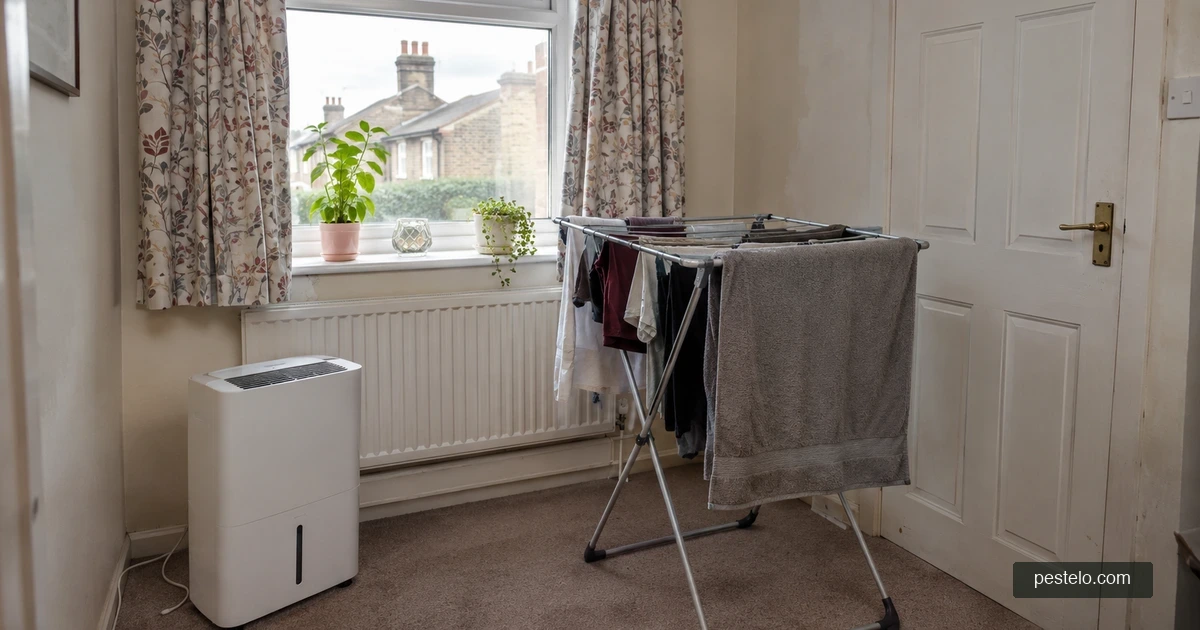
- Put it where moisture is produced or collects: the bedroom overnight, or next to washing drying on an airer.
- Keep it away from walls and curtains so air can circulate.
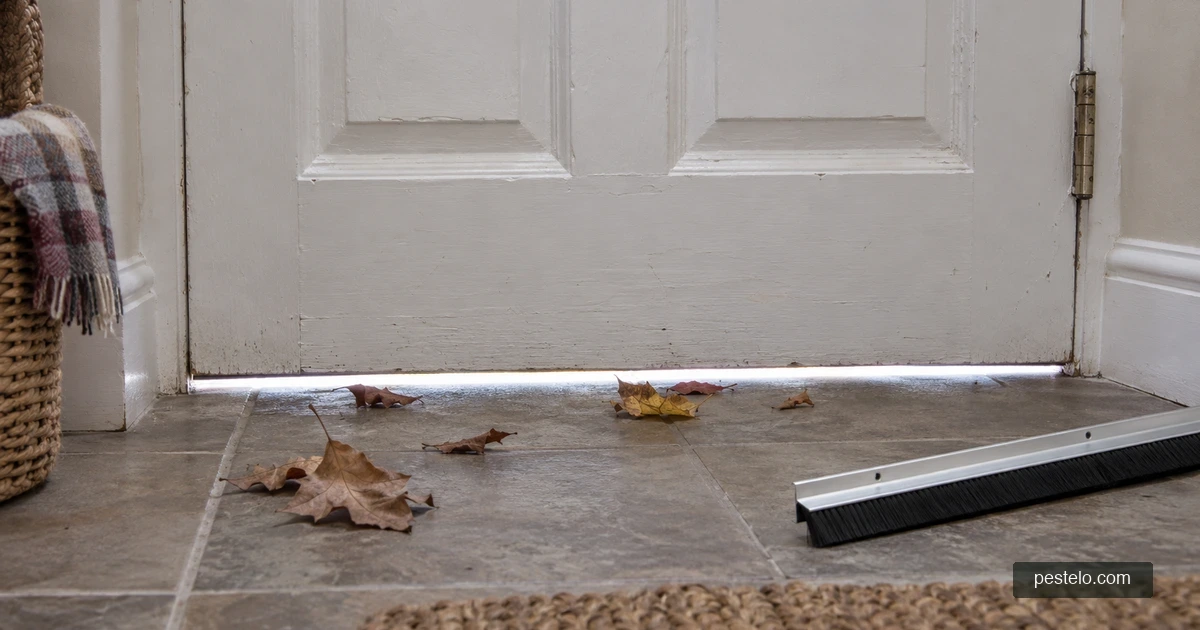
- Keep the heating on low and steady rather than letting rooms get very cold — cold walls attract condensation. Closing obvious draughts under doors and at the letterbox helps rooms stay warmer, as long as trickle vents and air bricks stay open — see our guide to the best draught excluders.
- On mild, dry days, opening a window does about as much as a dehumidifier.
Reduce moisture at the source
- ✓ Cooking
Lids on pans, extractor fan on, kitchen door closed
- ✓ Showers and baths
Extractor fan on and window open afterwards; door closed
- ✓ Washing
Dry outside when you can; otherwise in one room with the door closed and a dehumidifier on
- ✓ Ventilation
Keep trickle vents open; don't block air bricks
- ✓ Furniture
Leave a gap between wardrobes and outside walls
What a dehumidifier can’t fix
A dehumidifier lowers the humidity in the air. It does not stop water getting into the building, and it doesn’t remove mould that is already there.
- Mould on surfaces: clean small areas with a mould remover following the label, or with water and detergent; wear gloves and keep the window open. Large areas, or mould that keeps returning, need the cause tracking down.
- Leaks, rising or penetrating damp need a building repair.
- Health: government guidance (UKHSA) says damp and mould mainly affect the airways and lungs, and that people with health conditions, weakened immune systems, children and older adults are at greater risk. If you’re worried about symptoms, talk to your GP or pharmacist.
Damp and mould in a rented flat
Report damp and mould to your landlord in writing, with photos and dates. Government guidance for landlords is clear that damp and mould are a serious health risk that landlords must deal with, and that tenants should not be blamed for “lifestyle”. In England, social landlords must investigate and fix damp and mould hazards within set timescales under Awaab’s Law. Private tenants can contact their council’s private housing or environmental health team if the landlord doesn’t act. Shelter and Citizens Advice can help with next steps. Our guide to black mould in a rented home explains how to report it and what your landlord must do.
Frequently asked questions
What is the best dehumidifier for condensation in a flat?
For a heated flat, a compressor dehumidifier of about 12–20 litres a day is usually best, because it removes the most water for the electricity it uses. For a cold room below about 15 °C, choose a desiccant model.
What humidity should I aim for at home?
The Centre for Sustainable Energy recommends keeping indoor humidity between 40 and 60 %, with a risk of mould growth above 60 %, and setting a dehumidifier to under 60 % if possible. A cheap digital hygrometer shows the level.
Will a dehumidifier get rid of mould?
It helps stop mould returning by removing the moisture it needs, but it doesn't remove mould already on surfaces. Clean that off, and if mould keeps coming back, find the cause – especially leaks or damp coming in from outside.
Where should I put a dehumidifier?
In the room where moisture is produced or condensation is worst – often the bedroom overnight or next to washing drying indoors – with doors and windows closed and the unit away from walls and curtains.
Who is responsible for damp and mould in a rented flat?
Your landlord must deal with damp and mould caused by disrepair, and government guidance says tenants should not be blamed for lifestyle. Report it in writing with photos; if nothing happens, contact your council's housing or environmental health team, Shelter or Citizens Advice.
More guides
© 2026 pestelo.com – All text, graphics and structured content on this page are protected by copyright (Copyright, Designs and Patents Act 1988). Short extracts may be quoted with a clear credit and an active link to the original page. Commercial use, republication or adaptation without written permission is not allowed.