 Pestelo
Damp & Mould
Draughts 8 min read
Best Draught Excluders (UK): Doors, Windows, Letterboxes
Which draught excluders work: door seals, foam and rubber strips, letterbox brushes and window film – plus the vents you must never block.
By Vyacheslav Levchenko Sources: HSE, NHS, BPCA and others
In short: The best draught excluder depends on where the gap is. Under a door, a brush or rubber door-bottom seal works best; around door and window frames, self-adhesive foam or rubber strips; behind the letterbox, a brush flap. A fabric “snake” is a quick fix for internal doors. Draught-proofing is one of the cheapest ways to make a room feel warmer — but never block air bricks, trickle vents, chimneys or the ventilation that gas appliances need.
Contents · 7 sections
Find the draughts first
On a windy day, move the back of your hand slowly around the edges of doors, windows, the letterbox, keyholes, loft hatch and skirting boards. A cold stream of air shows the gap. Typical leaks in British homes:
- the gap under front, back and internal doors
- around door frames and window casements where the old seal has perished
- the letterbox and keyhole
- sash windows in older houses — between the sashes and the frame
- the loft hatch
- gaps between floorboards and under skirting boards in houses with suspended timber floors
- unused chimneys and fireplaces
Our picks by location
We chose these by how well they seal, how easy they are to fit and how long they last. We have not lab-tested individual products; the picks are based on these criteria and on guidance from the Energy Saving Trust.
Best draught excluder for each gap
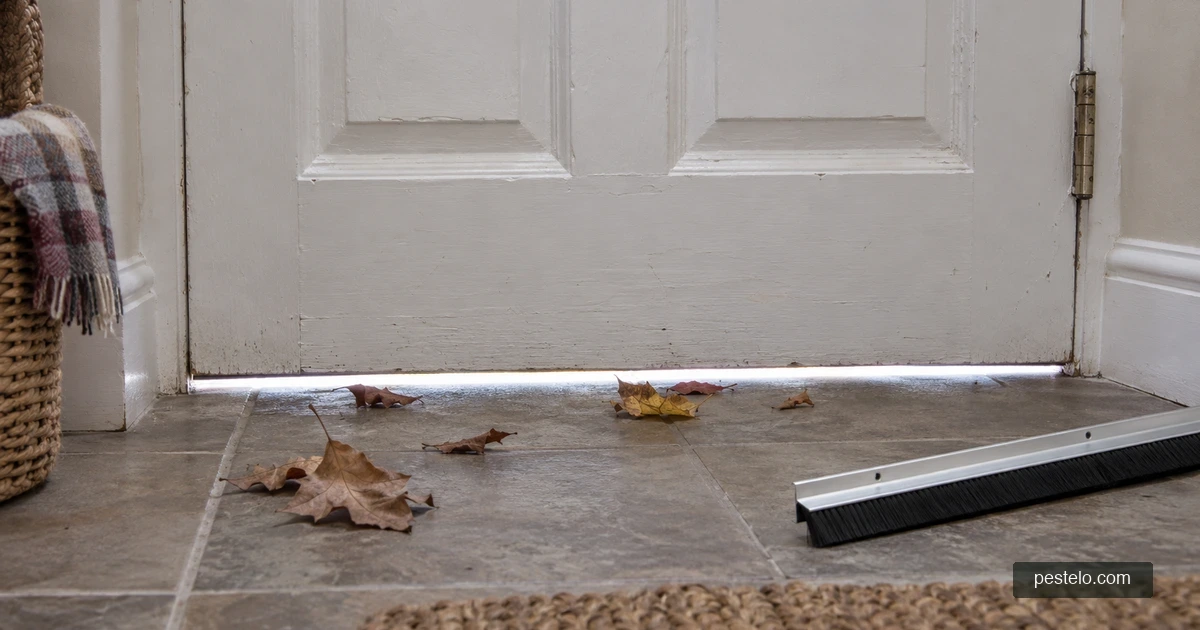
- ✓ Gap under a door: brush or rubber door-bottom seal
Screwed or stuck to the bottom of the door; seals even over uneven floors
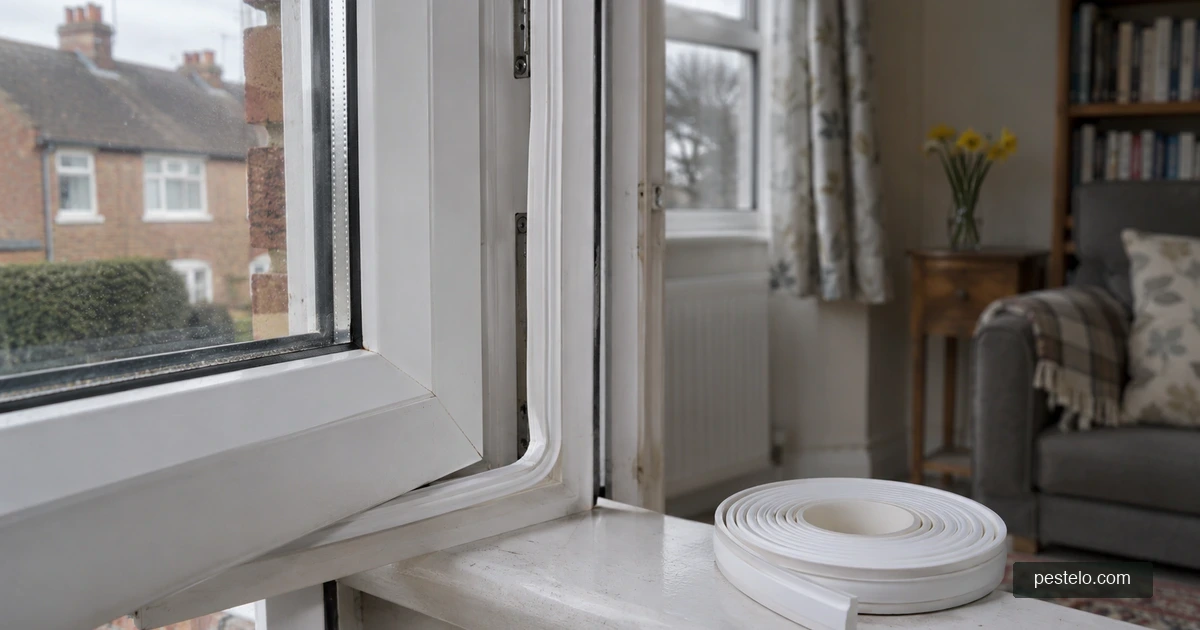
- ✓ Around frames: self-adhesive foam or rubber strip
Rubber (EPDM) lasts longer than foam; measure the gap and choose the right profile
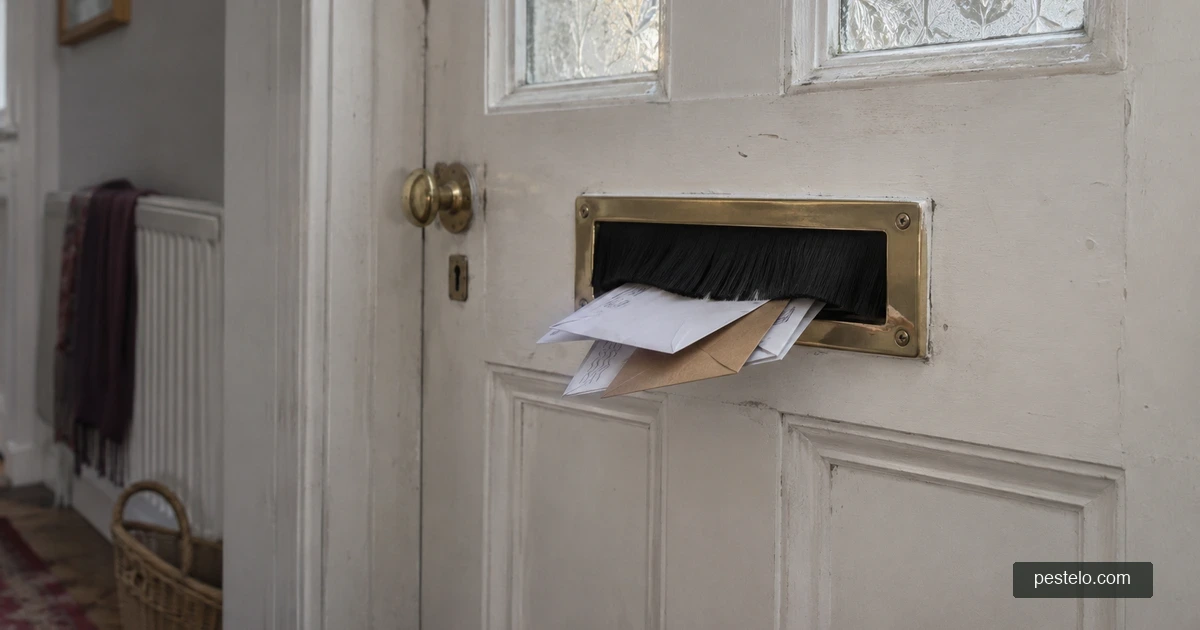
- ✓ Letterbox: brush flap
Fitted on the inside behind the letterbox; post still comes through
- ✓ Keyhole: escutcheon cover
A small swing cover on the inside of the door
- ✓ Internal doors: fabric draught snake
No fitting, quick and cheap; move it when you open the door
- ✓ Single glazing: window insulation film
Shrink-film over the frame for the winter months
Draught excluders compared
Draught excluders compared
| Type | Where | Fitting | Typical price |
|---|---|---|---|
| Door bottom brush or rubber seal | Gap under external and internal doors | Screws or adhesive; cut to width | £8–25 |
| Self-adhesive seal strip | Around door and window frames | Peel and stick to a clean, dry frame | £5–15 per roll |
| Letterbox brush | Behind the letterbox | Screws to the inside of the door | £8–20 |
| Keyhole cover | Keyholes | Screws on, a few minutes | £3–8 |
| Fabric draught snake | Internal doors | None – lay it at the door | £8–20 |
| Window insulation film kit | Single-glazed or draughty windows | Tape and shrink with a hairdryer | £10–20 |
Fitting tips
- Clean and dry the surface before applying adhesive strips; they won’t stick to dust, old paint flakes or a cold, damp frame. Fit them on a dry day.
- Measure the gap with the door or window closed: too thin a strip leaks, too thick stops the door closing and tears off.
- Sash windows need specialist brush seals fitted into the frame — a joiner can do this without spoiling period windows.
- Floorboard gaps can be filled with flexible filler or thin timber strips; leave the gaps under the floor (the void) ventilated.
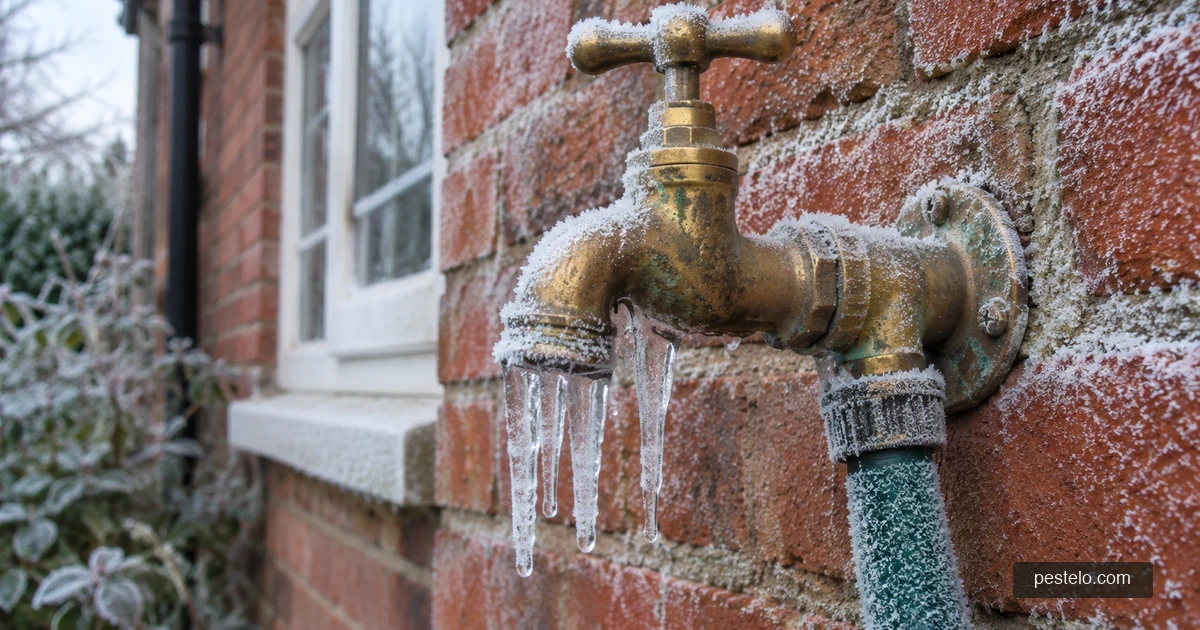
- Loft hatch: fit a foam strip around the hatch frame and insulate the top of the hatch. While you’re up there, check that pipes and tanks in the cold loft are lagged — the same frost risk applies as for outdoor taps and exposed pipes.
What you must never block
Draught-proofing is not the same as sealing up the house
Good ventilation stays essential. Never block air bricks, trickle vents on windows, extractor fans, boiler flues or the fixed ventilation openings that open-flue or flueless gas fires and heaters need — blocking these can lead to carbon monoxide building up — and a home with a boiler, stove or gas fire should have a carbon monoxide alarm. Don’t seal a chimney completely; a chimney balloon or cover must still let some air through. In kitchens and bathrooms, take care not to over-seal, as moisture needs to escape.
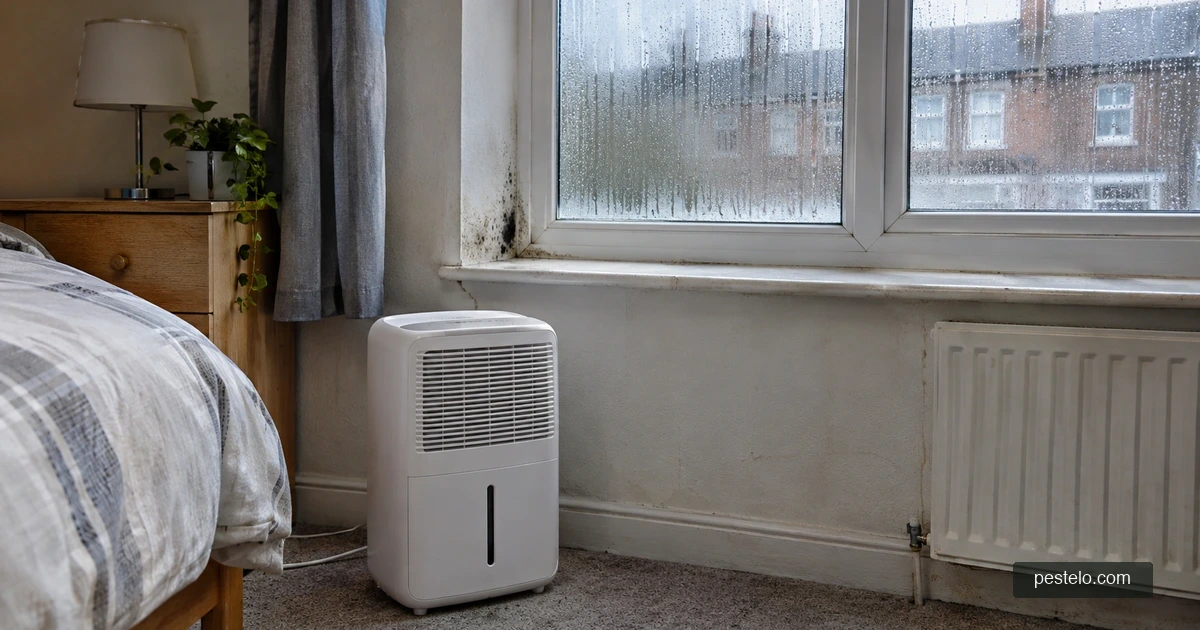
If your home has no trickle vents, wall vents or mechanical ventilation, the Energy Saving Trust warns that it may already be too airtight, and further draught-proofing may not be suitable. Signs include condensation on windows and mould in corners — see our guide to the best dehumidifiers for condensation.
If you rent
Simple, removable measures — draught snakes, letterbox brushes, adhesive strips — are usually fine. For anything that changes doors or windows, ask your landlord first. Perished seals on windows and doors that let in water are a repair your landlord should normally deal with.
Frequently asked questions
What is the best draught excluder for a front door?
A brush or rubber door-bottom seal fitted to the bottom of the door, combined with a self-adhesive rubber strip around the frame and a brush flap behind the letterbox. Together they close the three main gaps in a front door.
Do draught excluders really work?
Yes. Closing gaps under doors, around frames and at the letterbox stops cold air coming in and warm air escaping, which makes rooms feel warmer and can reduce heating bills. It is one of the cheapest energy-saving measures.
What should I not block when draught-proofing?
Never block air bricks, trickle vents, extractor fans, boiler flues or the ventilation openings that gas fires and heaters need, and don't seal a chimney completely. Blocking ventilation can lead to condensation, mould and, with gas appliances, carbon monoxide build-up.
Foam or rubber draught strip – which is better?
Rubber (EPDM) strips last longer and cope better with doors and windows that are opened often. Foam strips are cheaper and fine for windows that rarely open, but they compress and wear out sooner.
Can I draught-proof sash windows?
Yes. Specialist brush seals fitted into the sash frame stop rattles and draughts without spoiling the windows. A joiner experienced with sash windows can fit them; window insulation film is a cheaper temporary option.
More guides

© 2026 pestelo.com – All text, graphics and structured content on this page are protected by copyright (Copyright, Designs and Patents Act 1988). Short extracts may be quoted with a clear credit and an active link to the original page. Commercial use, republication or adaptation without written permission is not allowed.