 Pestelo
Rat Poison UK: What You Can Buy and the Rules
Can you use rat poison at home in the UK? Which rodenticides the public may buy, why a bait box is required and when traps are the better choice.
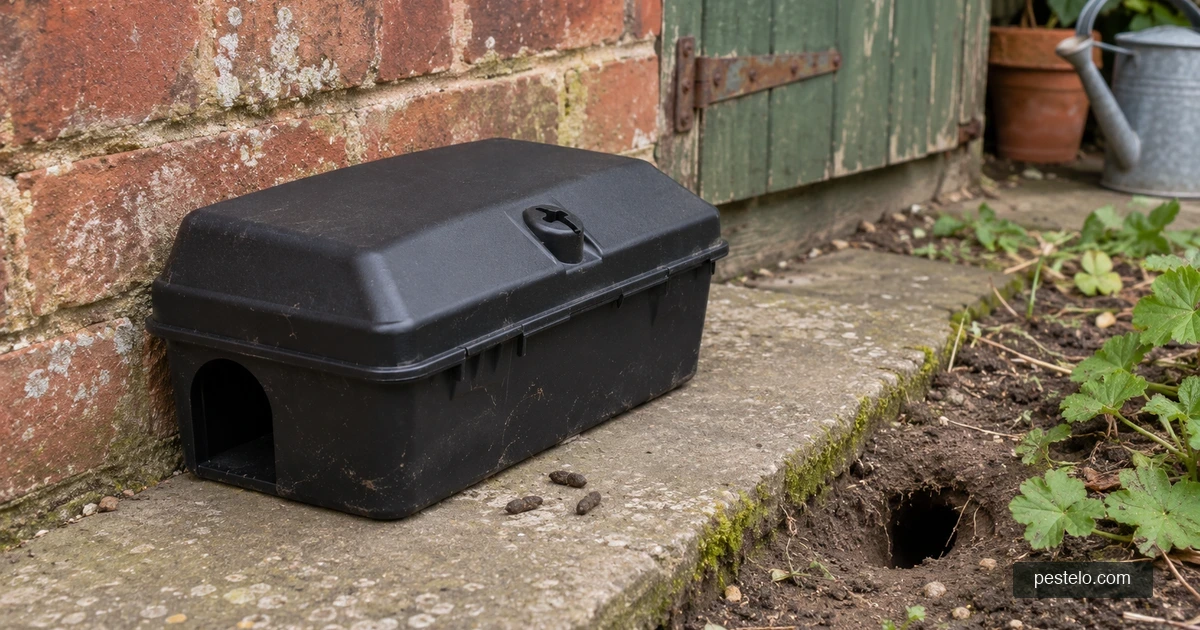
In short: Yes, householders in the UK can buy and use rat poison — but only products authorised for the general public, in small packs, and only indoors or outdoors around buildings, always inside a tamper-resistant bait box. Stronger products are sold only to trained, certified professionals. The product label is legally binding. Because poison also kills wildlife and can poison pets, a trap is often the better first choice.
Contents · 7 sections
Use biocides safely. Always read the label and product information before use.
The rules in short
Rodenticides are biocidal products. In Great Britain they are regulated by the Health and Safety Executive (HSE) under the GB Biocidal Products Regulation; every product needs an authorisation, and the label sets out who may use it, where and how. According to HSE, the restrictions on products for the general public include:
- they may be used only indoors, or outdoors around buildings — not in open fields, hedgerows or away from buildings
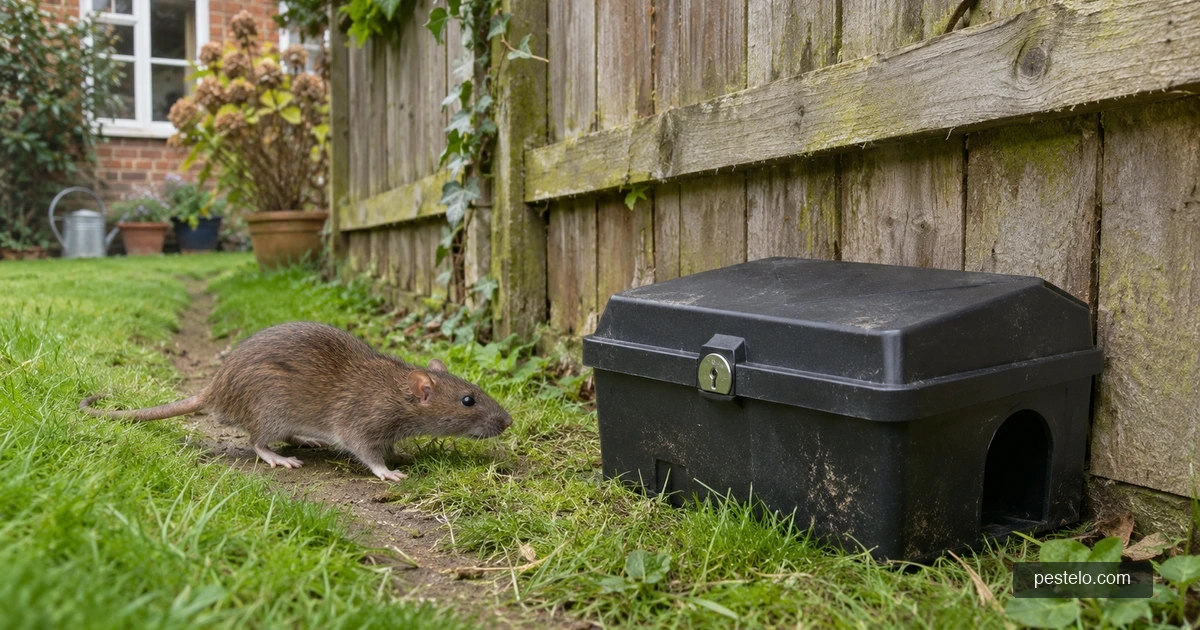
- they must be used within a bait box
- only products that don’t need protective equipment such as gloves to handle are authorised for the public
Professional rodenticides are only supplied to people who can show they meet training and certification requirements, and their supply and use must follow the UK rodenticide stewardship scheme run by the Campaign for Responsible Rodenticide Use (CRRU). Since 2026, sellers accept only a limited set of proofs of competence.
Amateur and professional products
What you can and can't buy
| General public (amateur) | Professional | |
|---|---|---|
| Who may buy | Anyone | Only with proof of training/certification |
| Pack size | Small, restricted pack sizes | Large packs |
| Where it may be used | Indoors and outdoors around buildings | Wider – depending on the label, incl. away from buildings |
| How | Always in a tamper-resistant bait box | As the label and stewardship rules require |
| Where to check a product | Label and the UK List of Authorised Biocidal Products | Same, plus stewardship conditions |
Buying online: CRRU guidance for sellers says only HSE-authorised products may be sold, only in the restricted pack sizes for the general public, and only in their original packaging. A seller offering large “professional” packs to anyone, unbranded bait in plain bags or products without a label is selling illegally — don’t buy them.
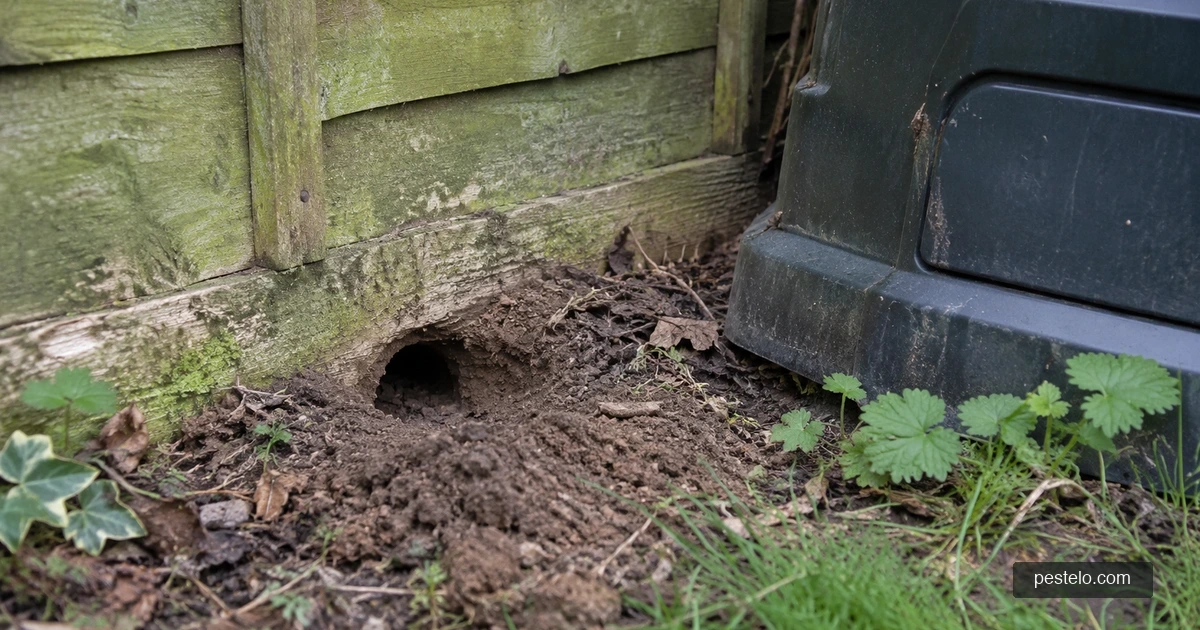
Using rat bait within the rules
The label of each product is legally binding and goes into more detail than any general guide. Typical conditions:
Using amateur rat bait
- ✓ Confirm it really is rats
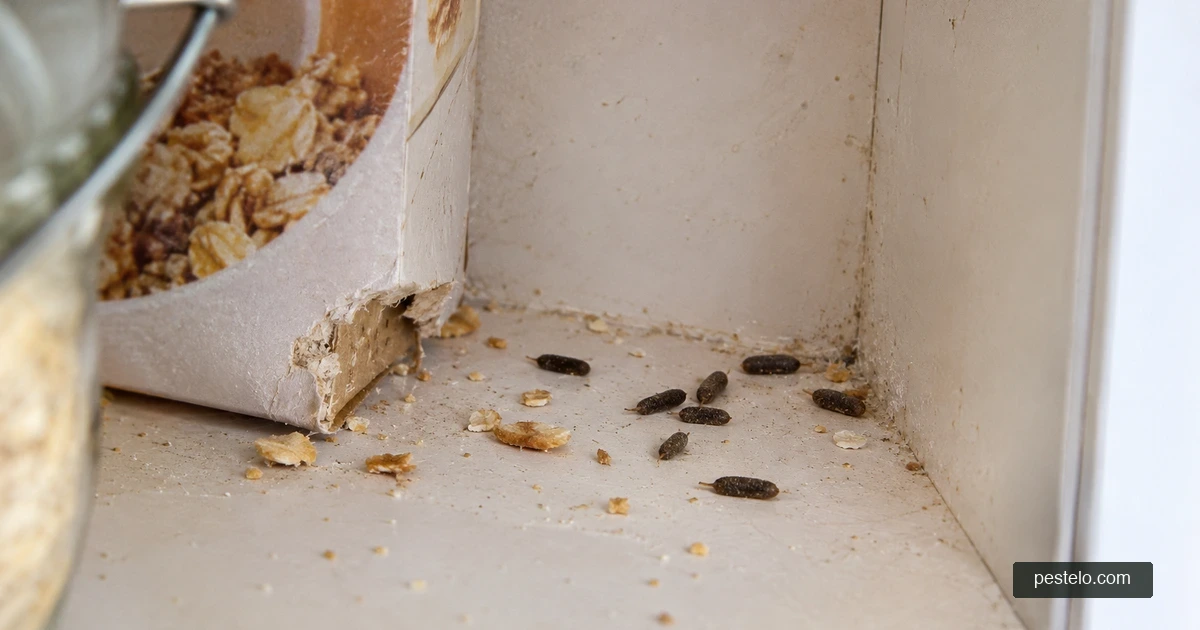
Check droppings and signs first – see our guide to identifying droppings
- ✓ Bait box, always
Place bait only inside a lockable or sealable, tamper-resistant bait station; never loose
- ✓ Right place
Along walls and runs, indoors or close to buildings; away from food, children and pets
- ✓ Check regularly
Inspect the boxes as often as the label says; top up bait only as directed
- ✓ Remove dead rats
Search for and remove carcasses (with gloves) so other animals don't eat them
- ✓ Clear up afterwards
When the rats are gone, remove all remaining bait and dispose of it as the label instructs
Never put bait in open trays, under decking without a box, or anywhere a pet, child or bird could reach it.
Risks to pets, children and wildlife
Most rat poisons are anticoagulants: they stop blood from clotting and take several days to kill. That delay is also the problem.
- Pets: dogs and cats can eat bait or a poisoned rat. If you suspect it, contact a vet immediately and take the packaging — anticoagulant poisoning is treatable if caught early.
- Children: if a child may have eaten bait, seek urgent medical help (NHS 111 or 999) and take the packaging with you.
- Wildlife: poisoned rats are eaten by owls, kites, kestrels, foxes and other predators. CRRU’s stewardship monitoring exists because residues are widely found in such animals. Removing carcasses and taking bait away as soon as the problem is over reduces the risk.
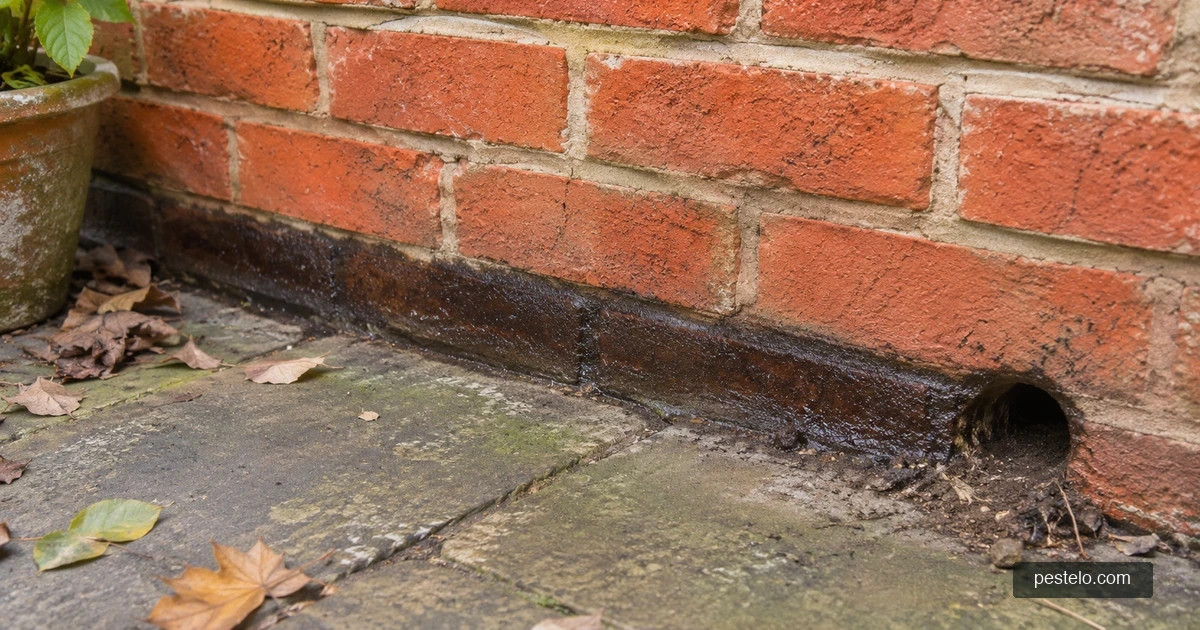
Why traps are often the better choice
- A trap works at once and you see the result; poison works over days and the rat may die under the floor, causing a smell.
- Traps don’t put pets or wildlife at risk when they sit inside a lockable box.
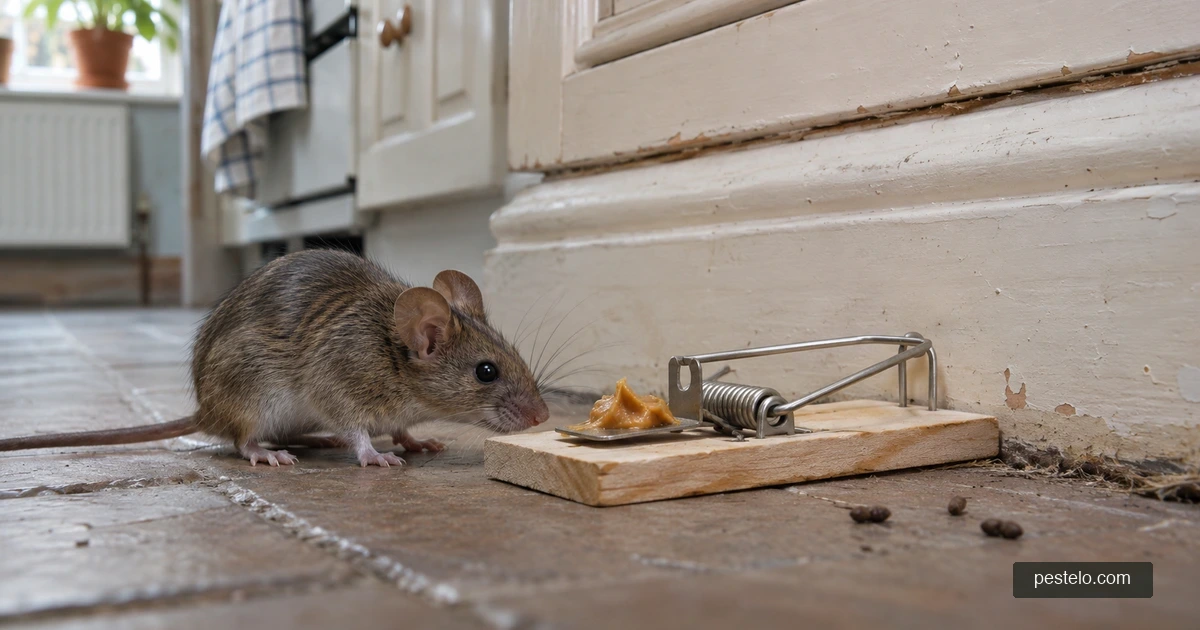
- For one or two rats in or around a house, two or three well-placed snap traps are usually enough — see our comparison of the best rat traps.
Whichever you use, also take away what attracts rats — open bins, bird food on the ground, compost with food waste — and close entry points such as broken air brick grilles and gaps around pipes. Our guide to rats in the garden goes through these steps for the garden, compost bin and bird feeder.
When to call a professional
Call a pest controller — your council or a BPCA-registered company — if rats are inside the living space, if you see them in daylight (often a sign of a large population), if a drain is involved, or if your own treatment hasn’t worked within a few weeks. Professionals can use products and methods not available to the public. If you rent, report rats to your landlord in writing straight away.
Frequently asked questions
Is it legal to use rat poison at home in the UK?
Yes, if you use a product authorised for the general public and follow its label. Amateur rodenticides may only be used indoors or outdoors around buildings, must always be placed inside a bait box, and are sold only in restricted pack sizes.
Can I buy professional rat poison?
Not without proof of training and certification. Professional rodenticides are supplied only to users who meet the training and certification requirements and follow the UK rodenticide stewardship scheme.
Do I have to use a bait box for rat poison?
Yes. According to the Health and Safety Executive, rodenticides for the general public must be used within a bait box. It should be a tamper-resistant station that children and pets cannot open.
What should I do if my dog has eaten rat poison?
Contact a vet immediately and take the packaging with you. Many rat poisons are anticoagulants whose effects appear only after a few days, and early treatment is effective.
Are traps better than rat poison?
For a few rats around a house, often yes. Snap traps in a lockable box work immediately, you can see the result, and they don't put pets or wildlife at risk the way poison and poisoned carcasses do.
More guides
© 2026 pestelo.com – All text, graphics and structured content on this page are protected by copyright (Copyright, Designs and Patents Act 1988). Short extracts may be quoted with a clear credit and an active link to the original page. Commercial use, republication or adaptation without written permission is not allowed.